

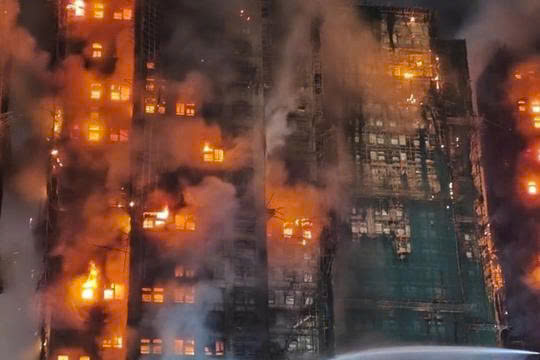
At the end of November 2025, the world was shaken by the deadliest fire disaster in more than 70 years in Hong Kong. Wang Fuk Court — a residential complex under renovation and fully wrapped in green HDPE construction netting — burned intensely for more than 40 hours, destroying 7 out of 8 buildings, killing over 150 people and leaving hundreds missing.
During the investigation, Hong Kong authorities collected around 20 net samples from different floors and discovered that approximately 7 samples failed the fire-retardant test. Some samples were located in hard-to-reach areas, forcing inspectors to climb outside the scaffolding to retrieve them. This detail raised concerns about whether compliant and non-compliant nets had been mixed together, making quality verification far more complicated.
Although the exact cause is still under investigation, early findings suggest that the use of non-fire-retardant netting may have accelerated the spread of the flames along the scaffolding surface. With such a massive coverage area, the protective netting — originally intended as a safety measure — became a factor that intensified the fire, causing it to erupt violently and spread rapidly throughout the buildings.
This tragedy raises a sobering question for the entire construction industry:
“How can a seemingly harmless material like construction netting become an invisible culprit behind a catastrophic disaster?”

See more at:
According to Ngôi Sao – VnExpress, a severe fire in Hong Kong occurred due to the use of non-compliant, non-fire-retardant construction netting, causing extremely serious consequences for an entire residential complex.
Source: https://ngoisao.vnexpress.net/luoi-khong-dat-chuan-gay-chay-cum-chung-cu-hong-kong-4988559.html
According to information from Đời sống & Pháp luật, Hong Kong authorities discovered that the contractor had used counterfeit fire-retardant netting, leading to a tragedy that killed 151 people — a powerful warning for the construction industry and on-site safety management.
Source: https://doisongphapluat.nguoiduatin.vn/phat-hien-nha-thau-dung-luoi-chong-chay-gia-khien-151-nguoi-chet-a595575.html
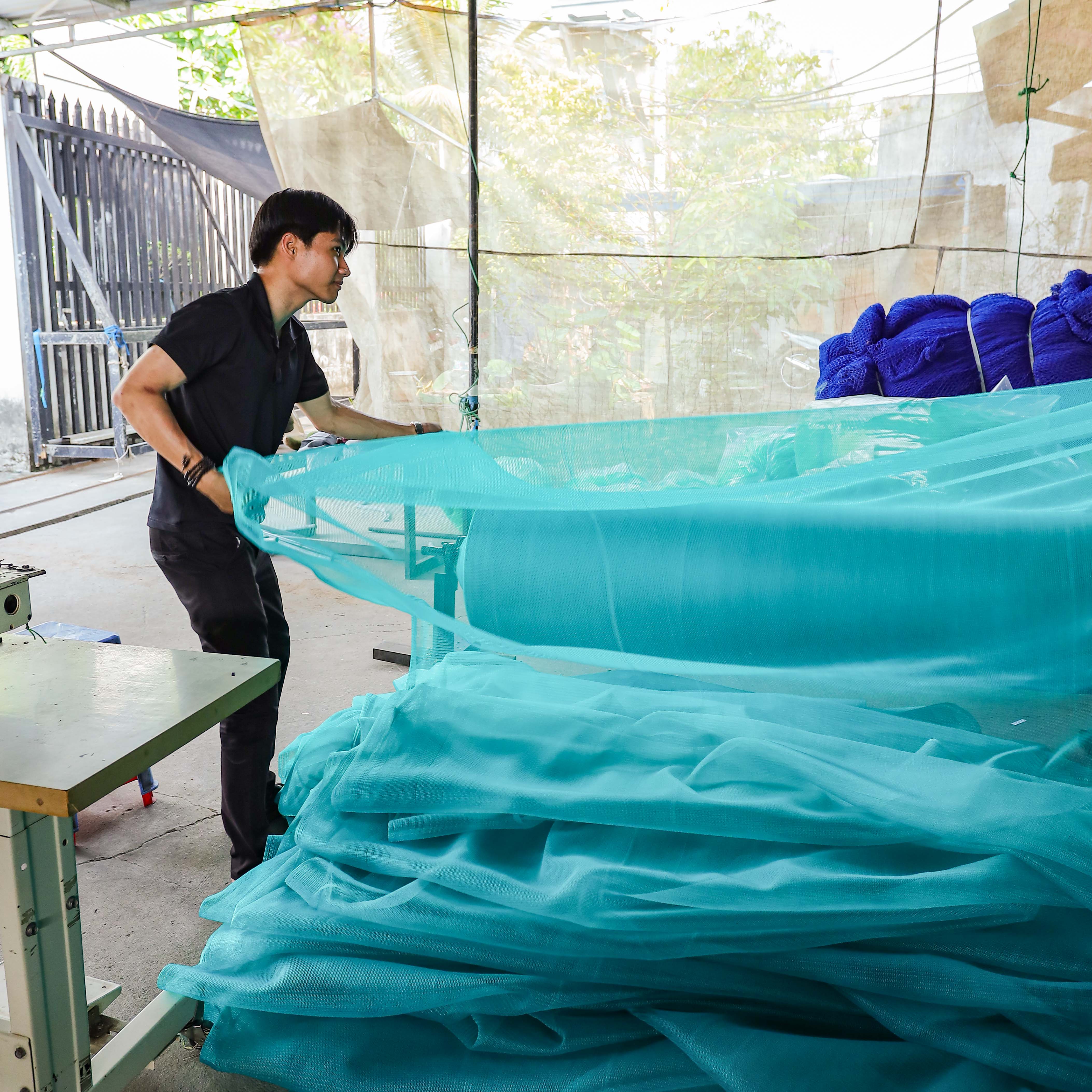
Fire-retardant netting is a specialized type of construction net designed to withstand heat and flame without igniting, thanks to its fiber structure and built-in flame-retardant additives. When exposed directly to fire or heat sources, the netting:
Does not burst into flames,
Does not spread fire to surrounding areas,
Only melts slightly or self-extinguishes within 1–3 seconds.
Therefore, fire-retardant netting acts as a crucial “safety shield,” preventing flames from spreading along the vertical surfaces of buildings — a highly dangerous scenario, especially for high-rise construction projects.
.png)
.png)
a) PVC Mesh with Fire-Retardant Additives
Structure:
The core yarn is typically high-tenacity Polyester, providing excellent tensile strength.
The yarn is coated on both sides with PVC, enhancing durability, UV resistance, and flame resistance.
Fire-retardant (FR) additives are blended into the PVC coating, ensuring the mesh does not ignite and only melts when exposed to high temperatures.

Key Features:
Excellent dust and wind blocking, suitable for façade covering in construction projects.
Does not propagate flames, reducing heat spread in case of fire incidents.
Resistant to mild chemicals, ideal for industrial environments.
High tensile strength, with no fiber sagging even after long-term use.
Fabrication Options:
Can be hemmed with high-strength thread.
Can be fitted with galvanized steel eyelets for secure hanging and improved safety in strong winds.
Mesh can be cut to custom sizes according to customer requirements.
.jpg)

b) HDPE Mesh with Fire-Retardant Additives
Structure:
Made from 100% virgin HDPE fibers, giving the net excellent flexibility and lightweight properties.
Blended with FR (Fire Retardant) additives to reduce flame spread.
Features a tightly knitted mesh structure with high elasticity.


Key Features:
Non-combustible — typically only melts when exposed to very high temperatures.
High durability and tensile strength, suitable for use as safety netting.
UV-resistant, ideal for long-term outdoor installation.
Non-absorbent, resistant to mold, and not damaged by moisture or harsh sunlight.
Fabrication Options:
Can be hemmed with high-strength thread.
Can be fitted with galvanized steel eyelets for secure fastening, ensuring safety in strong winds.
Mesh can be cut to custom sizes based on customer requirements.
a) Non-flammable, or self-extinguishing within 1–3 seconds if ignited
Certified fire-retardant netting will demonstrate the following behaviors:
When exposed to an open flame, the fibers melt slightly but do not ignite.
If ignition occurs, the flame will self-extinguish within 1–3 seconds.
It does not produce sparks and does not allow fire to spread to adjacent mesh openings.
It does not generate thick black smoke, which is a common sign of recycled or contaminated plastic.
.png)
b) Thick, durable, flexible fibers with high tensile strength
One of the key indicators of high-quality fire-retardant netting lies in its fiber structure:
Standard nets often use 1000D, 1200D, or 1500D fibers, which are thick and strong.
The fibers are uniform, with no frayed streaks or misaligned mesh openings.
When pulled by hand, the fibers do not overstretch or split apart.
The surface is smooth and firm, not mushy or unusually soft — a common sign of recycled plastic.


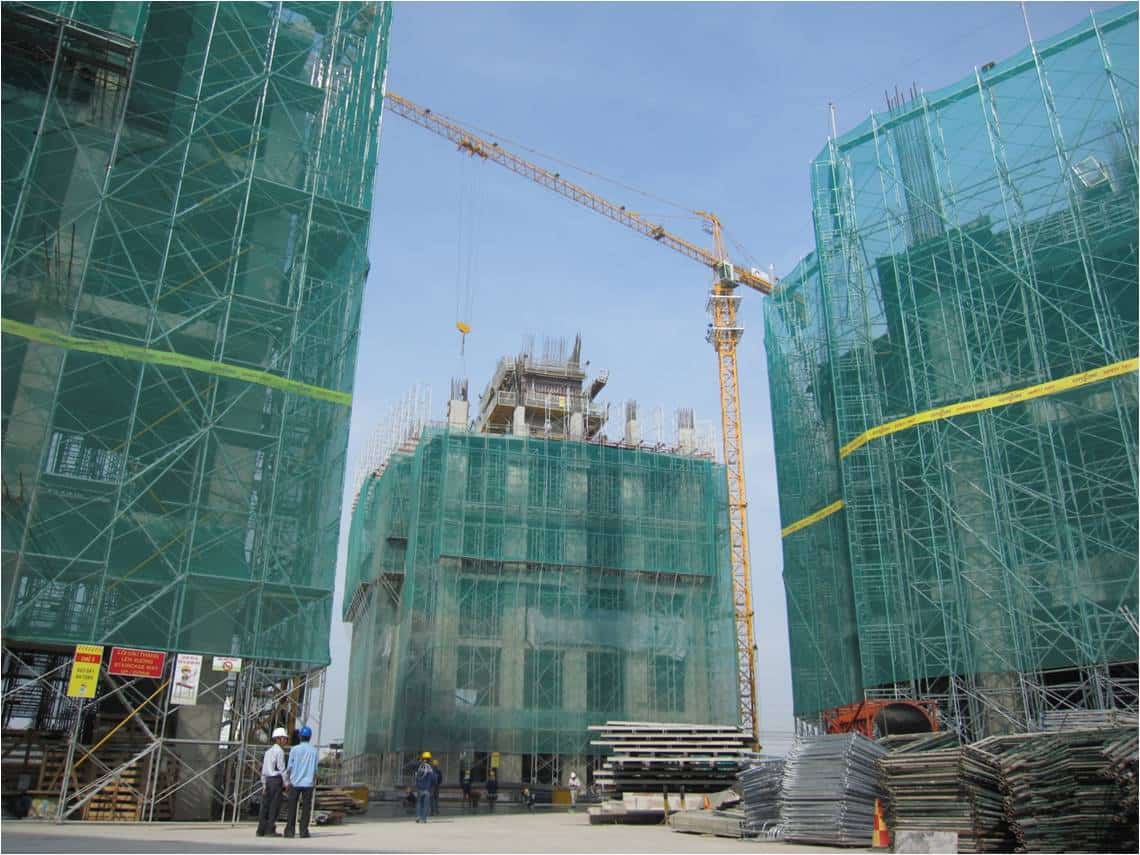
This is the most important and widely used application of fire-retardant netting.
Prevents flames from spreading along the vertical surface of scaffolding.
Reduces the risk of fire flare-ups caused by welding sparks or cutting sparks.
Minimizes the chance of fire spreading to nearby residential houses during construction in urban areas.
Ensures compliance with fire safety (FSSD) standards for high-rise projects, apartment complexes, and commercial buildings.
Used below working platforms and in high-floor areas.
Non-flammable when exposed to welding sparks or falling hot debris.
Maintains its structural integrity during a fire, without breaking or melting, which prevents additional hazards.
Protects construction workers and pedestrians below.
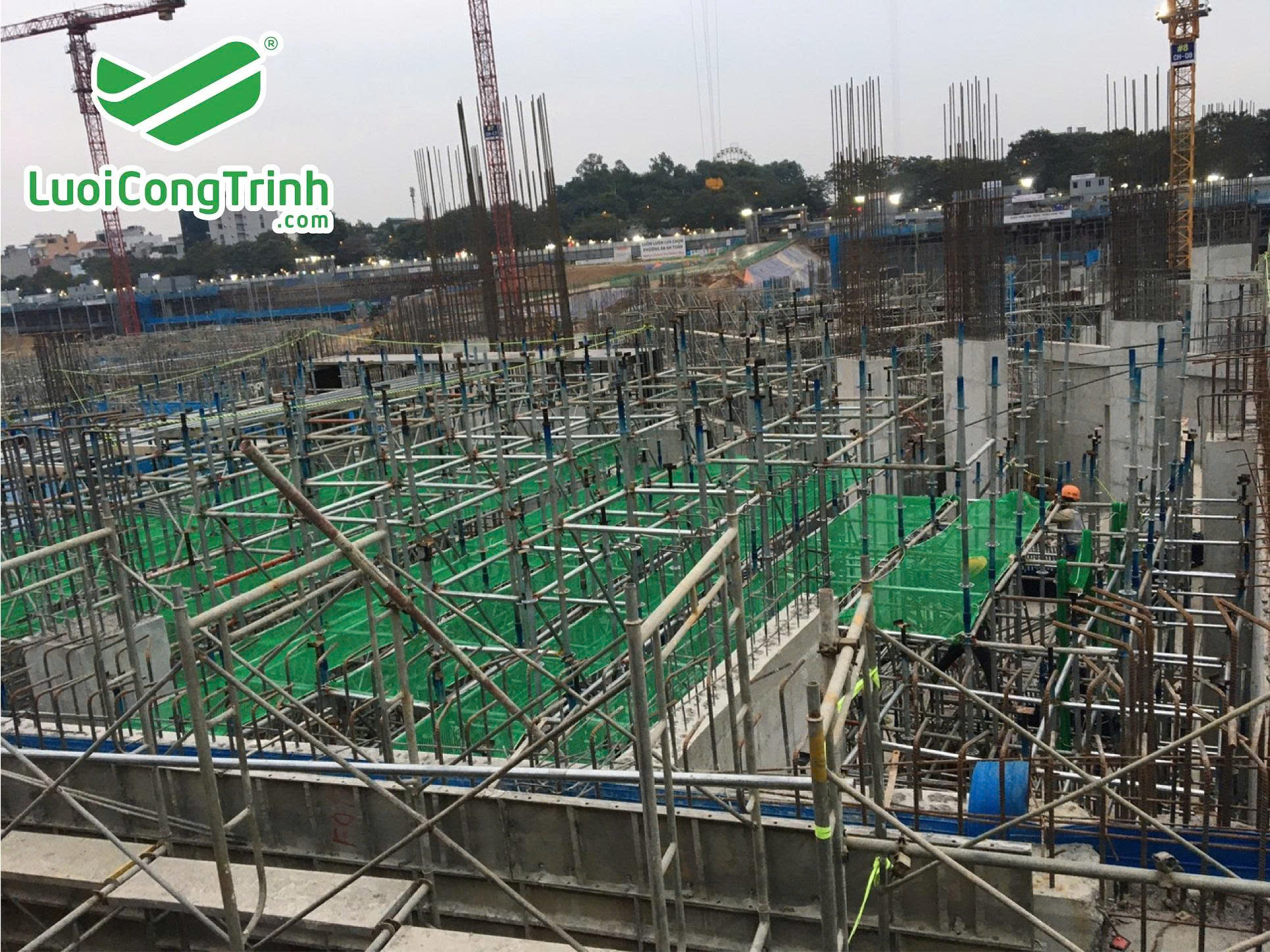
During the cutting and welding of gangform panels, sparks can scatter intensely. Fire-retardant netting helps to:
Shield individual steel formwork panels where sparks are likely to occur.
Prevent flame spread along the edges of the net, ensuring safety in the working area.
Enhance safety for workers operating at height.

Used to cover floor edges, balconies, and other high-risk areas.
Minimizes the risk of ignition when exposed to welding or cutting sparks.
Prevents falling objects while still meeting fire-retardant safety standards.
Creates a protective barrier along floor edges and temporary guardrail areas.
.jpg)
An essential application in MEP and elevator installation work.
Prevents objects from falling into the elevator shaft.
Reduces fire spread caused by sparks from drilling, cutting, or welding.
Ensures worker safety and minimizes the risk of accidents.
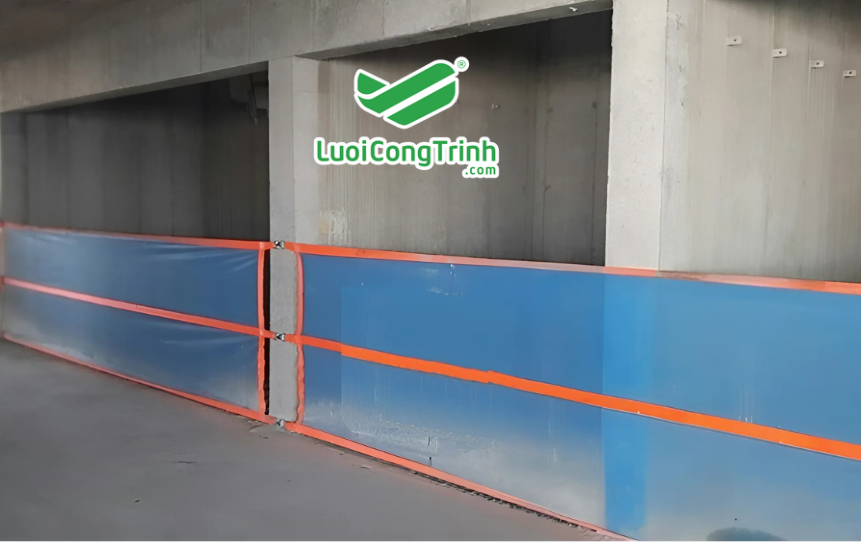
Partitioning fire-prone areas inside factories or production facilities.
Covering livestock barns or farm areas in compliance with fire safety standards.
Covering parking areas.
Used in “fire-safe residential community” models.
Covering temporary evacuation tents.
Covering storage areas containing flammable materials such as cartons or packaging.
Creating temporary fire-blocking partitions at construction sites.
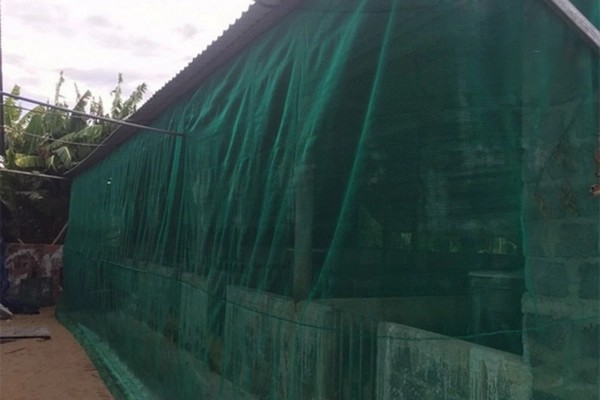
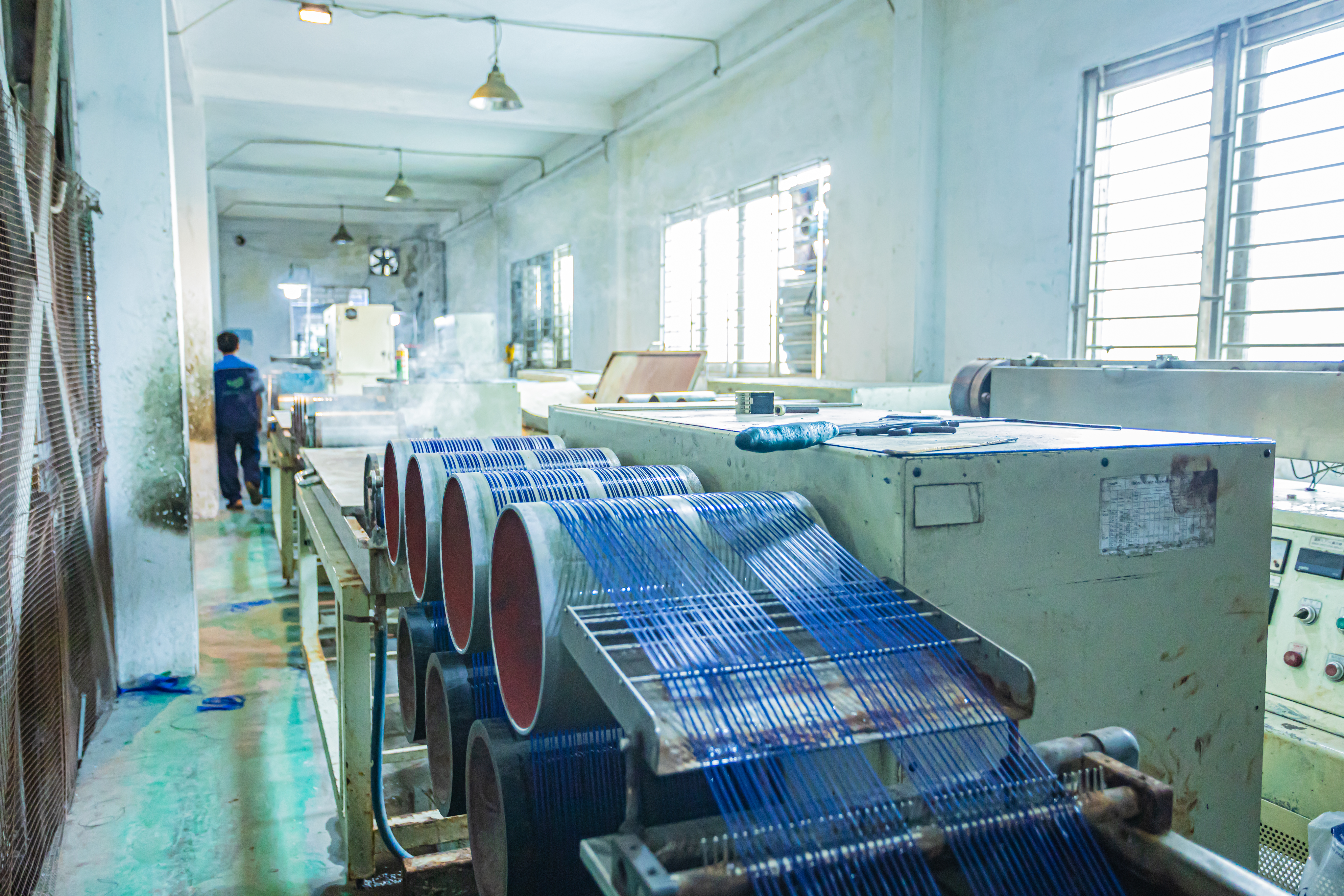
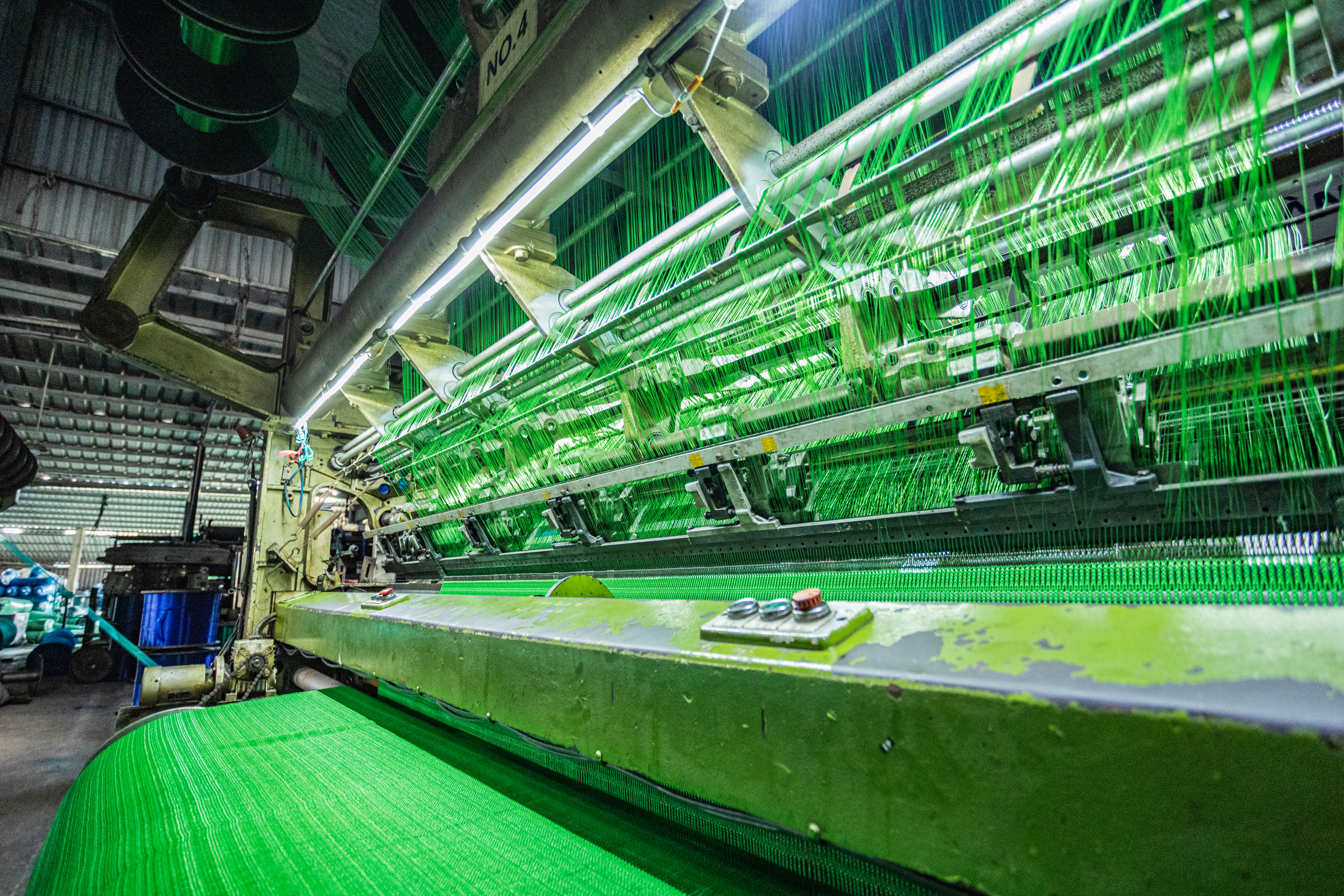
Fire-retardant netting from Công ty TNHH Lưới Công Trình is manufactured on a modern production line:
Made from 100% virgin fibers for superior durability, with no sagging or deformation over long-term use.
Integrated Fire Retardant (FR) additives that enhance flame resistance, control ignition speed, and prevent fire spread.
Uniform fiber structure with high tensile strength, resistant to stretching, and capable of withstanding harsh outdoor conditions including heat, rain, and strong winds.
Outstanding Fire-Retardant Performance:
When exposed to direct flame, the net does not ignite, or only catches flame lightly for 1–3 seconds before self-extinguishing.
Does not create flame paths along the mesh edges — a crucial factor in preventing vertical fire spread on building façades.
Produces no toxic black smoke and no falling embers, eliminating the risk of secondary fires.
Learn More:
Fire-Retardant Netting: https://luoicongtrinh.com/luoi-chong-chay
Safety Netting: https://luoicongtrinh.com/luoi-an-toan-xay-dung
Construction Covering Net: https://luoicongtrinh.com/luoi-bao-che-xay-dung
Construction Nets: https://luoicongtrinh.com/luoi-xay-dung
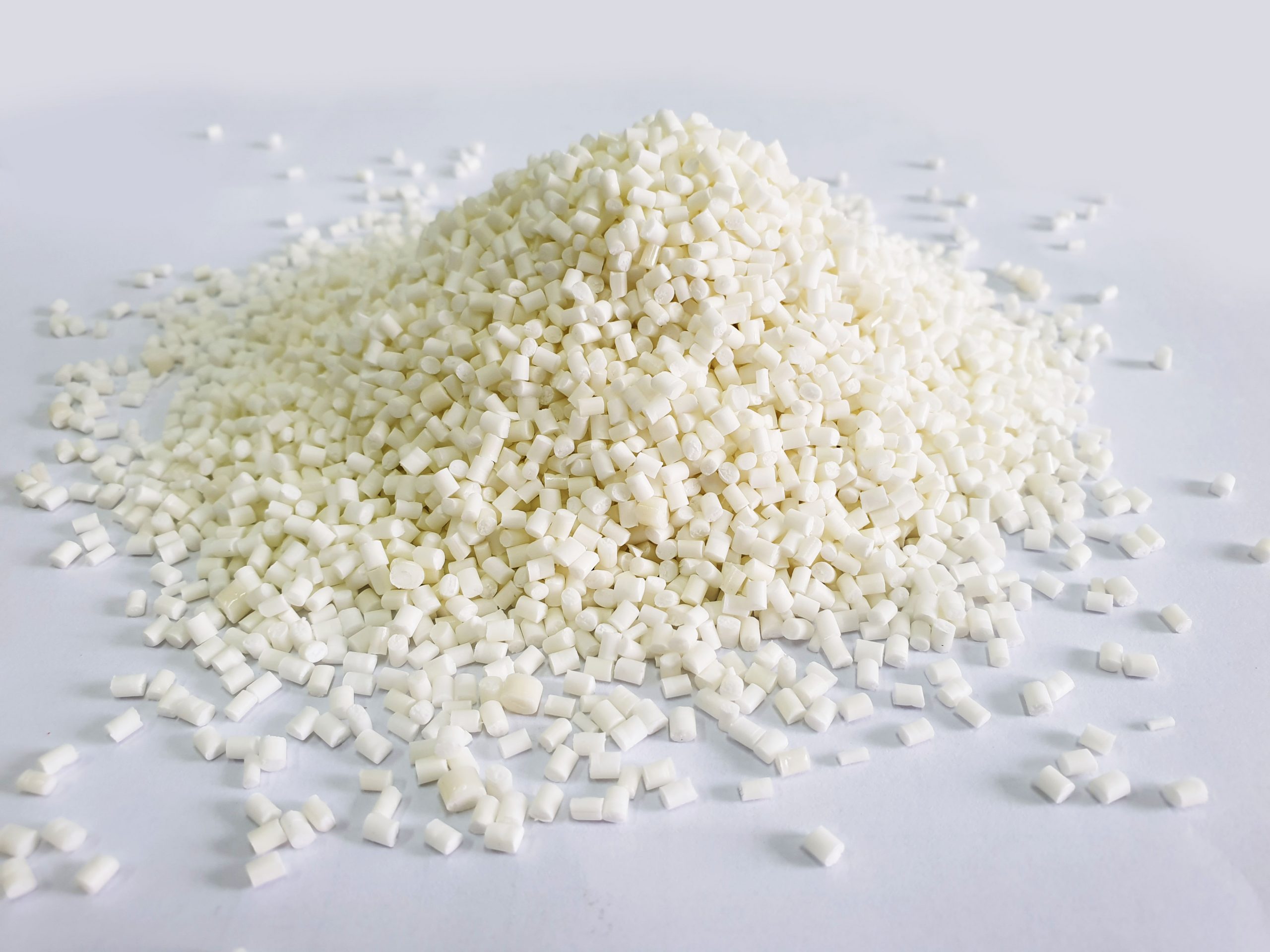

Every construction project has its own fire safety (FSSD) level, depending on factors such as:
Building height (the higher the structure, the stricter the fire-retardant requirements)
Surrounding population density (densely populated areas require higher safety standards)
Scaffolding scale and height, and total covering area
Level of spark generation (welding, cutting, façade renovation, replacement of technical pipelines, etc.)
Safety standards specified by the investor or main contractor
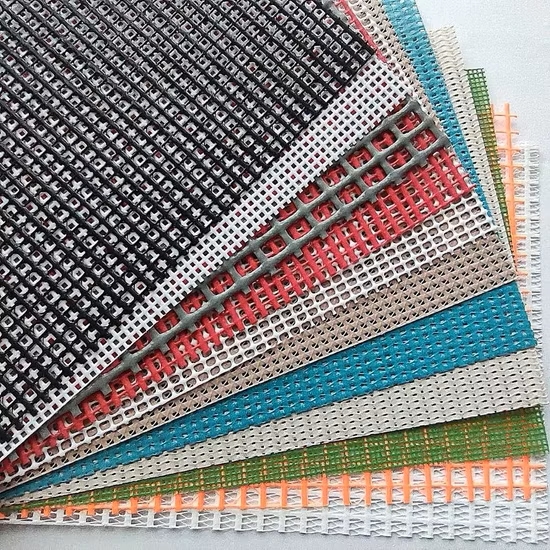
Understanding this, Công ty TNHH Lưới Công Trình provides custom fire-retardant netting manufactured according to the unique safety specifications of each project, instead of applying a single universal net type for all constructions.


Lưới Công Trình manufactures fire-retardant netting according to the fire-safety standards required by each client.
Investors or contractors can submit technical specifications, including:
The desired fire-retardant performance (e.g., non-ignition, self-extinguishing within 1–3 seconds, no black smoke, etc.)
Required percentage of FR (Fire Retardant) additives (adjusted to meet actual fire-safety standards)
Fiber density / mesh density (thick – medium – thin depending on whether it is for façade covering or dust protection)
Net fiber thickness (denier): 1000D / 1200D / 1500D, depending on required strength
Net width according to construction drawings (2m, 3m, 4m, or customized)
Requirements for UV resistance, tensile strength, load-bearing performance, PVC coating or HDPE material, etc.
📍 Head Office: 330A Ung Van Khiem, Thanh My Tay, Ho Chi Minh City
🏭 Manufacturing Factory: 58/6D Nhi Binh 4, Dong Thanh, Ho Chi Minh City
🏢 Hanoi Branch: No. 80, An Tho 1, An Khanh, Hanoi
📞 Hotline: 0888 509 626
✉️ Email: kinhdoanh.luoicongtrinh@gmail.com
🌐 Website: luoicongtrinh.com
💬 Zalo OA: https://zalo.me/luoicongtrinh1
📘 Fanpage: Công ty TNHH Lưới Công Trình
🛒 Shopee: Lưới Việt


