


.jpg)



.jpg)


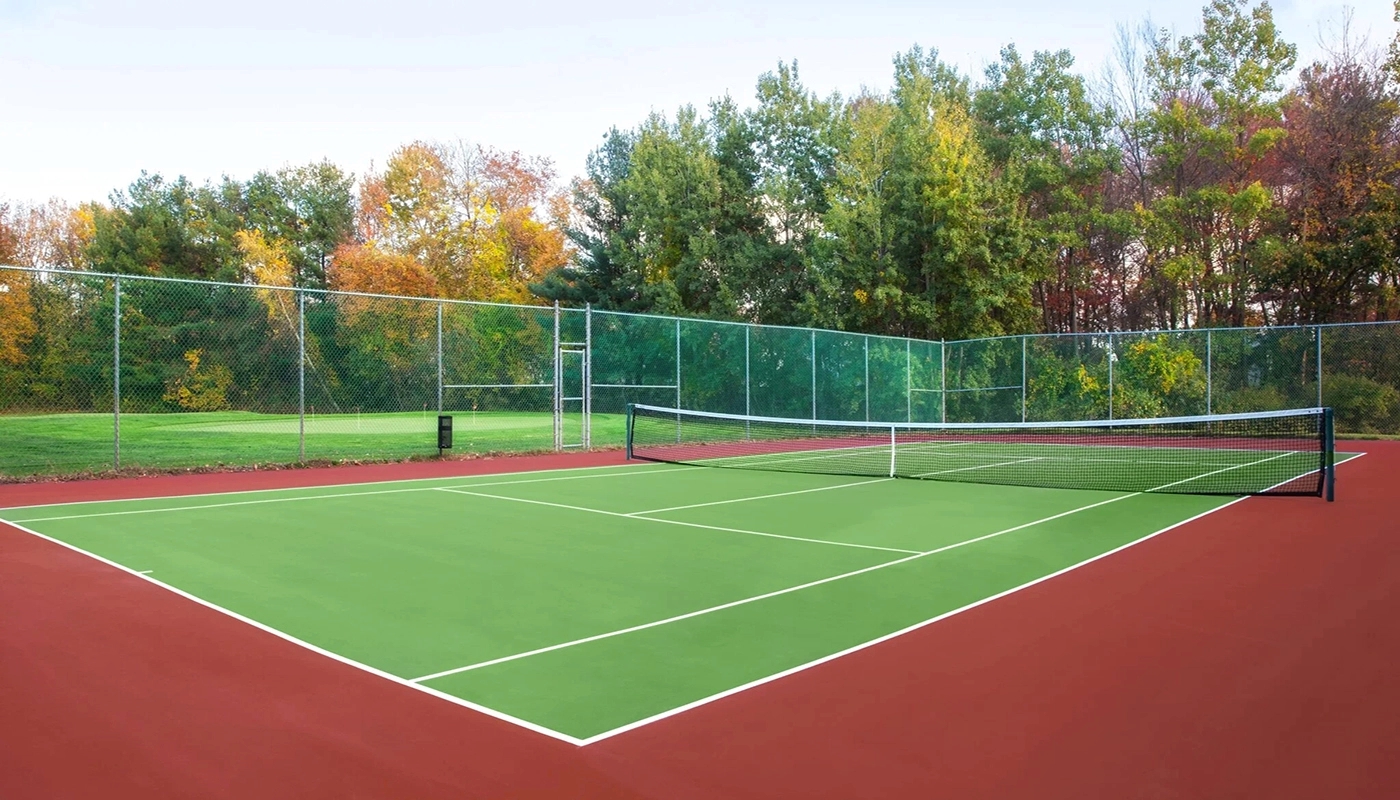

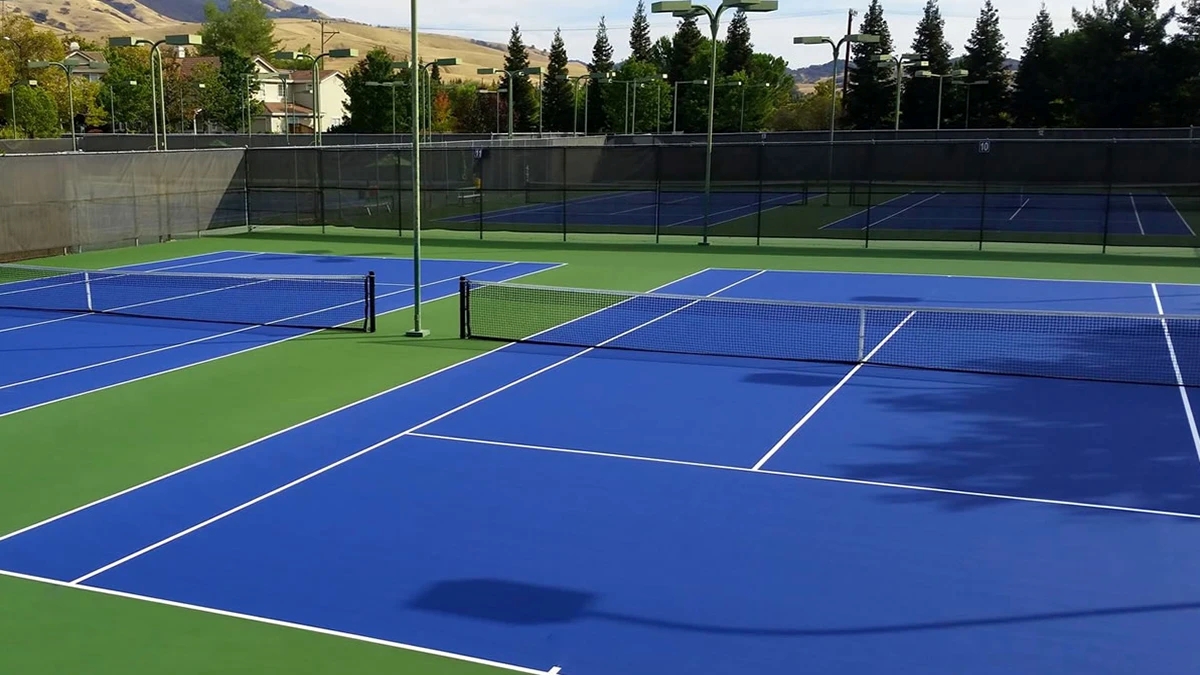


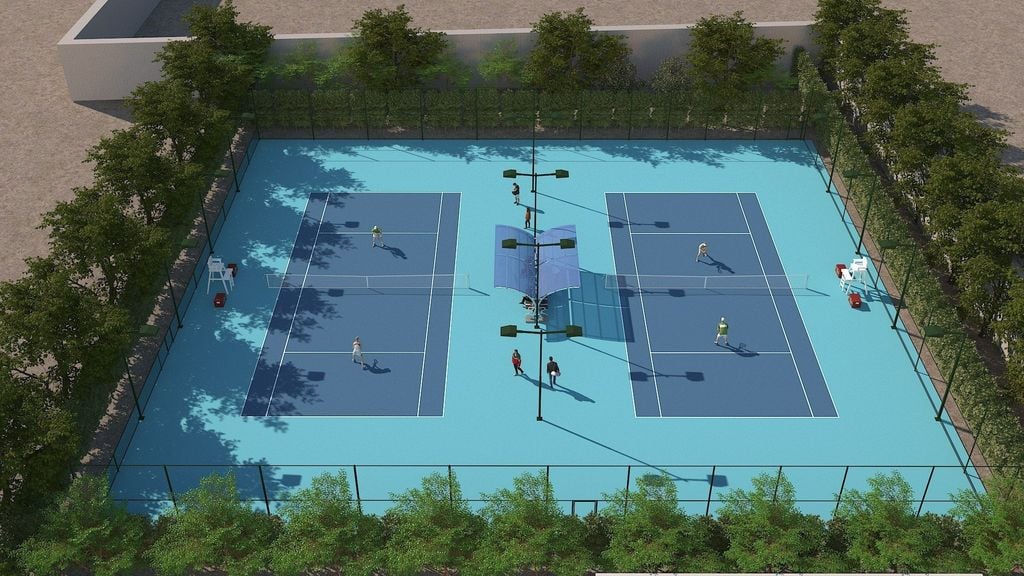
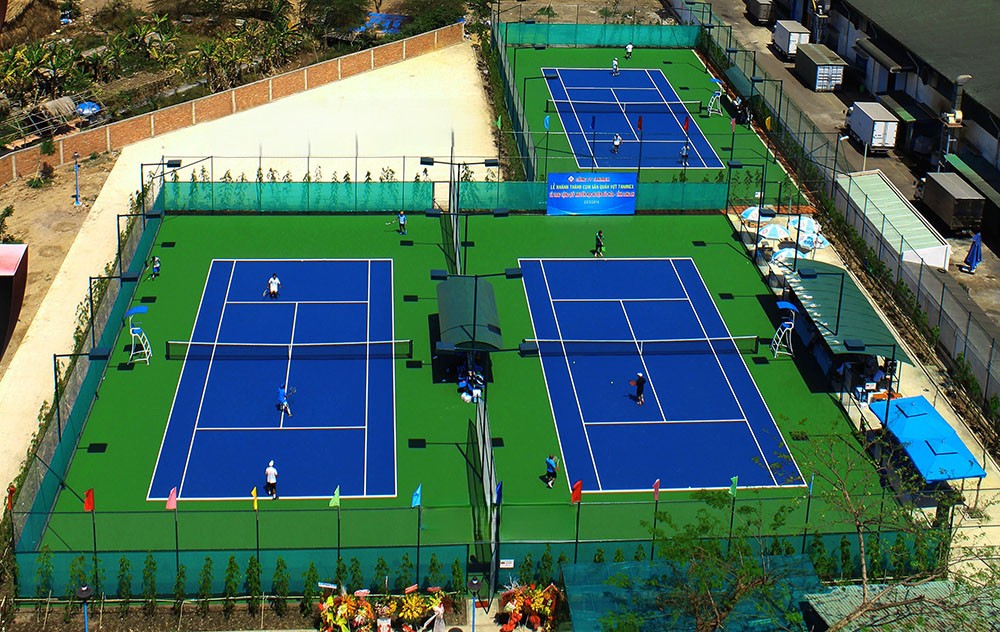
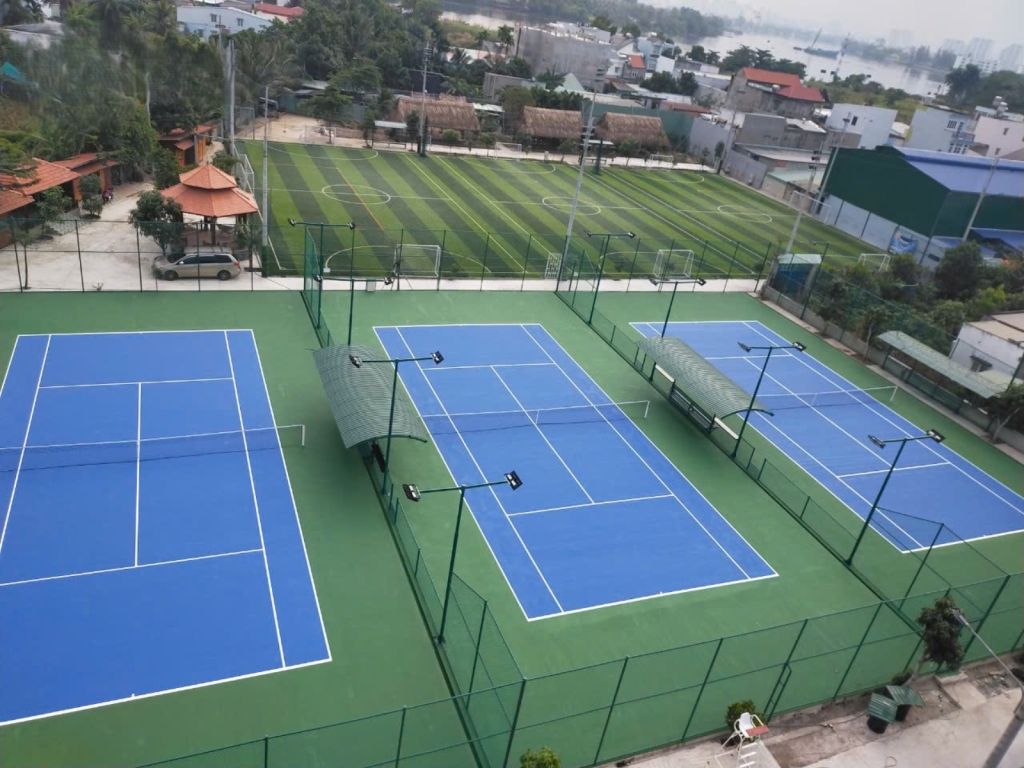

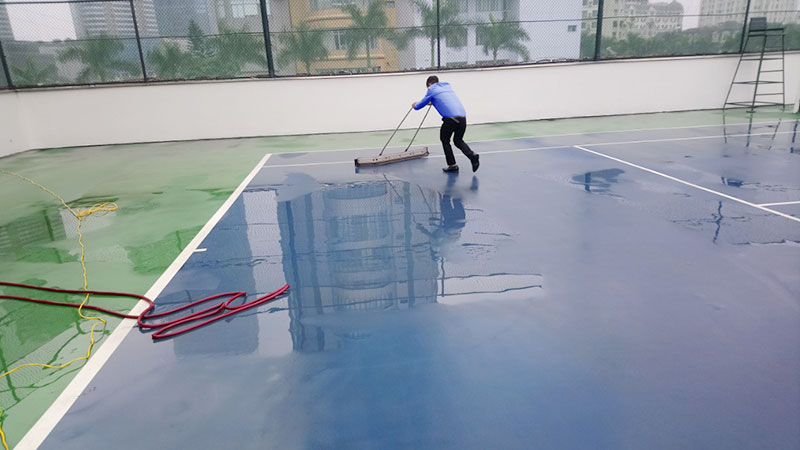
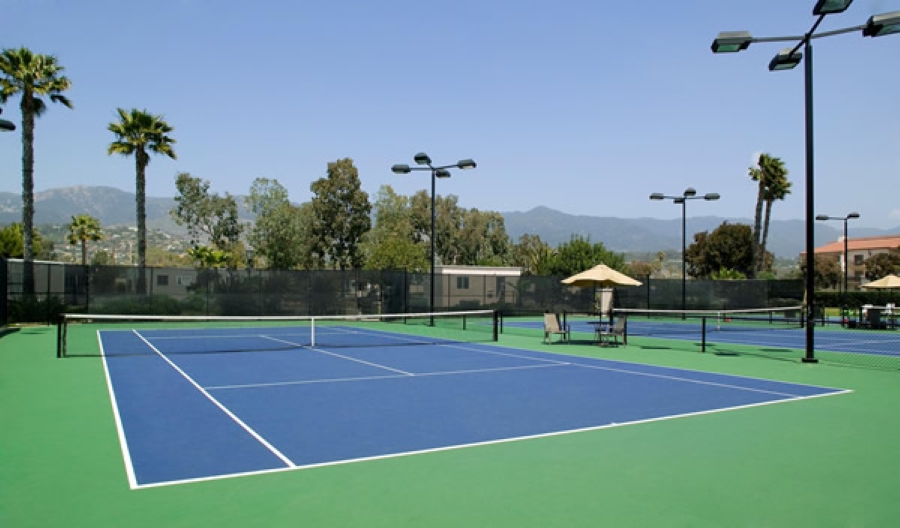
ITF-standard tennis court construction using premium materials and a professional process from design to completion. Lưới Công Trình is committed to delivering durable, high-quality courts with excellent playability and aesthetics for every sports project.
Design and Construction of ITF-Standard Tennis Courts – Process and Cost
Originating in 19th-century England, tennis quickly spread worldwide and became one of the four major elite sports with prestigious Grand Slam tournaments. Tennis not only enhances physical fitness, endurance, and reflexes but also promotes relaxation, community connection, and social relationships.
Today, the demand for building and constructing tennis courts for homes, clubs, resorts, and sports centers is rapidly growing — serving both recreational and professional purposes. To achieve a high-quality tennis court, key factors such as design, construction, cost, and a reliable contractor play a crucial role.
This article will give you a comprehensive overview before making your investment.

1. International Standard Tennis Court Design
Tennis Court Dimensions
According to the International Tennis Federation (ITF), a standard tennis court is rectangular, with specific measurements depending on the type of play:
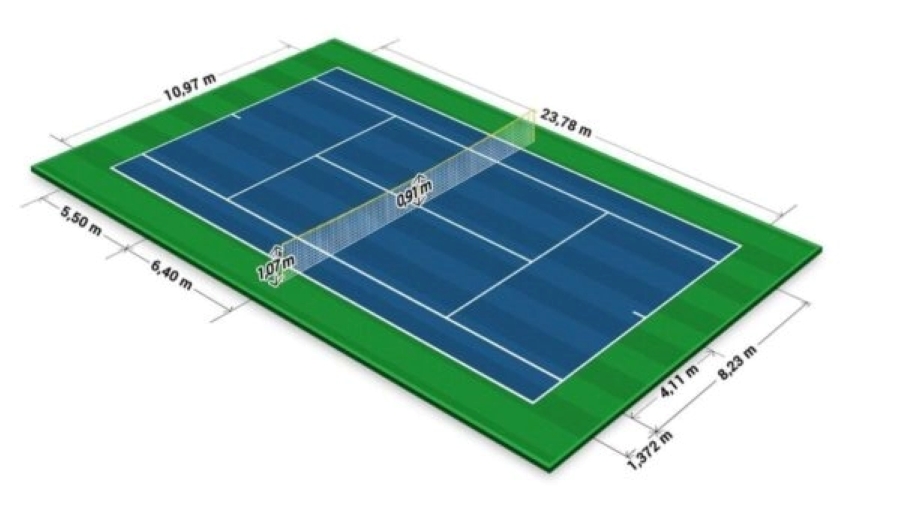
Singles Court: 23.77 meters long and 8.23 meters wide. This size is used for 1 vs 1 matches, with boundary lines distinct from doubles courts.
Doubles Court: 23.77 meters long and 10.97 meters wide, with additional “doubles alleys” on both sides to expand the playing area.
International & Professional Tournament Courts:
In addition to the main court area, ITF standards require extra safety space around the court:
Behind each baseline: minimum 6.4 meters.
On each side of the sidelines: minimum 3.66 meters.
The total playing area should therefore measure 18.29m x 36.57m or larger — in major tournaments such as the Grand Slam, it can reach up to 20.12m x 40.23m.

Ideal Court Orientation
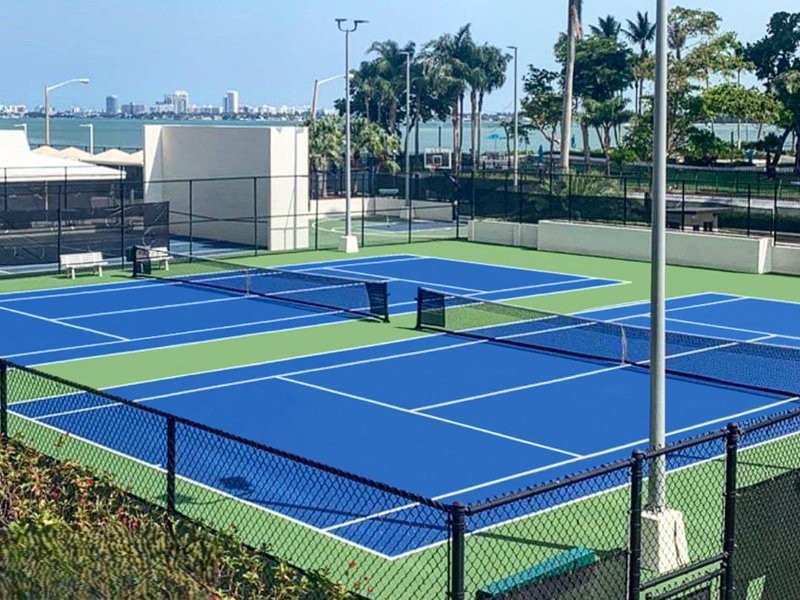
In tennis court design and construction, the orientation of the court plays a crucial role. The International Tennis Federation (ITF) recommends aligning courts along a North–South axis.
This layout offers several key benefits:
Reduces direct sunlight entering players’ eyes during morning and afternoon matches.
Improves visibility, making it easier to track the ball.
Minimizes glare, enhancing overall match quality.
Ensures fair playing conditions for both sides of the court.

Slope and Foundation
Slope:
The court surface should have a gradient of 0.83–1% (equivalent to a height difference of about 8–10 mm per meter of width) to ensure:
Efficient drainage during rainfall.
Prevention of water stagnation, which can cause slipperiness.
Protection of the coating layer and surface from premature damage.
Foundation:
Must be flat, solid, and well-compacted with a compaction rate of K ≥ 0.95 to prevent sinking or uneven settlement.
Common materials include cement concrete or asphalt.
Before applying the surface coating, the foundation should be cured for 14–25 days to stabilize the structure and minimize cracking.

Common Types of Tennis Court Surfaces
| Court Type | Description | Bounce | Speed | Suitable Playing Style | Advantages | Disadvantages |
|---|---|---|---|---|---|---|
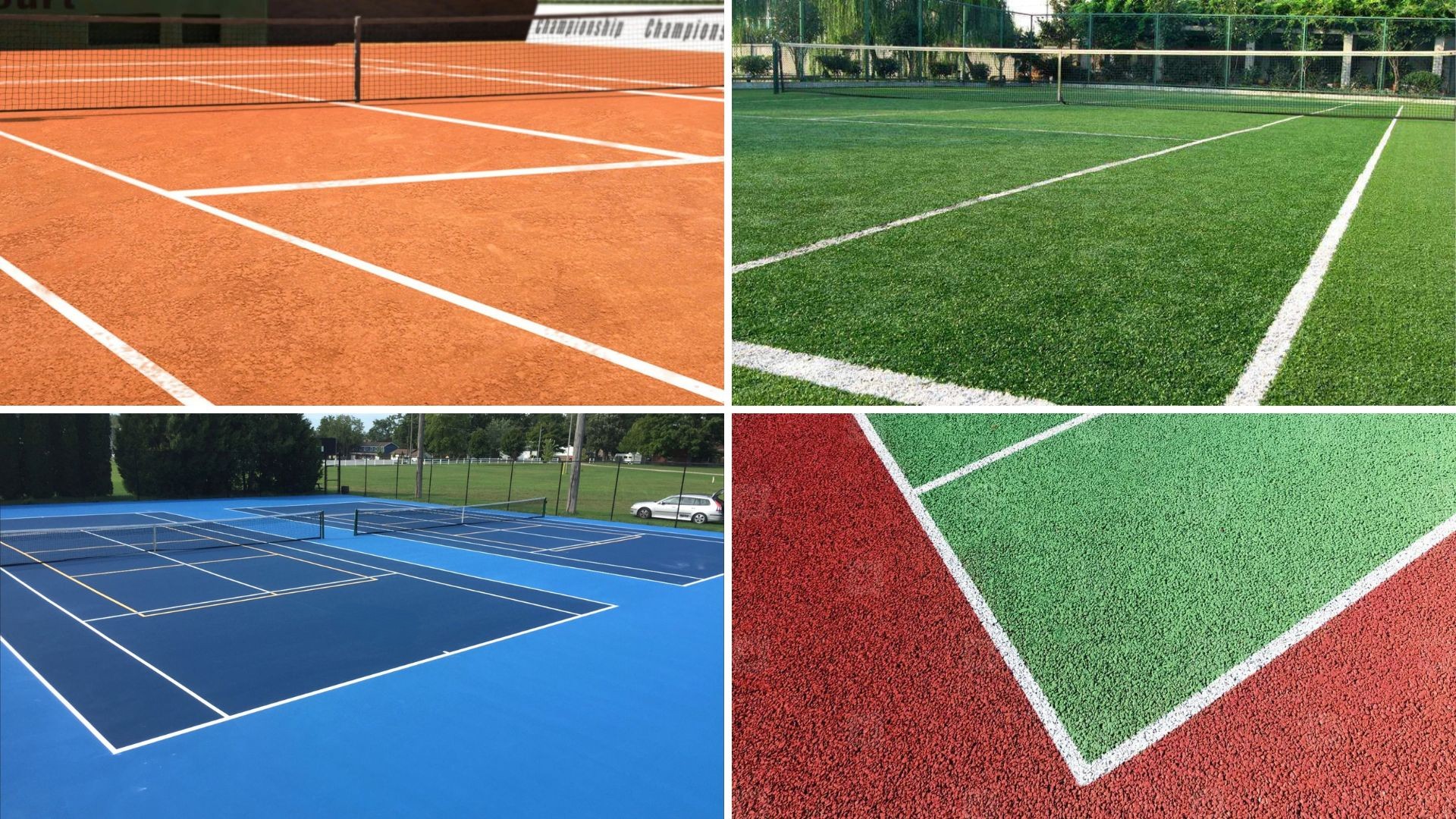
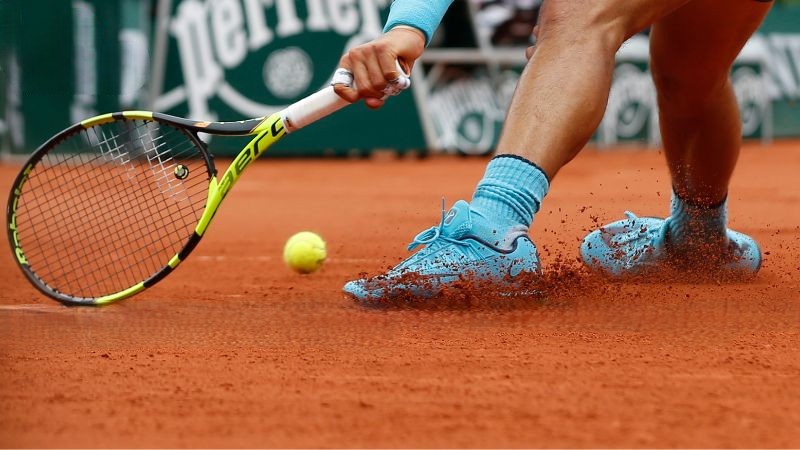
| Clay Court | Constructed from crushed brick, stone, or special clay. Typically red or green. | High, with heavy spin and unpredictable bounce. | Slowest surface; matches last longer. | Suited for endurance-based, tactical players (e.g., Nadal – 14× Roland Garros champion). | Develops strategic play and consistency; encourages diverse tactics. | Requires frequent maintenance: watering, leveling, and resurfacing. |
| Grass Court / Artificial Grass Court | Traditional surface (e.g., Wimbledon) or replaced with artificial grass for easier maintenance. | Low bounce, fast, with frequent skidding. | Fastest surface. | Ideal for serve-and-volley players who favor quick points. | Soft feel reduces joint impact; artificial grass is durable and low-maintenance. | Natural grass is costly to maintain (watering, mowing, fertilizing); artificial grass heats up under sunlight. |
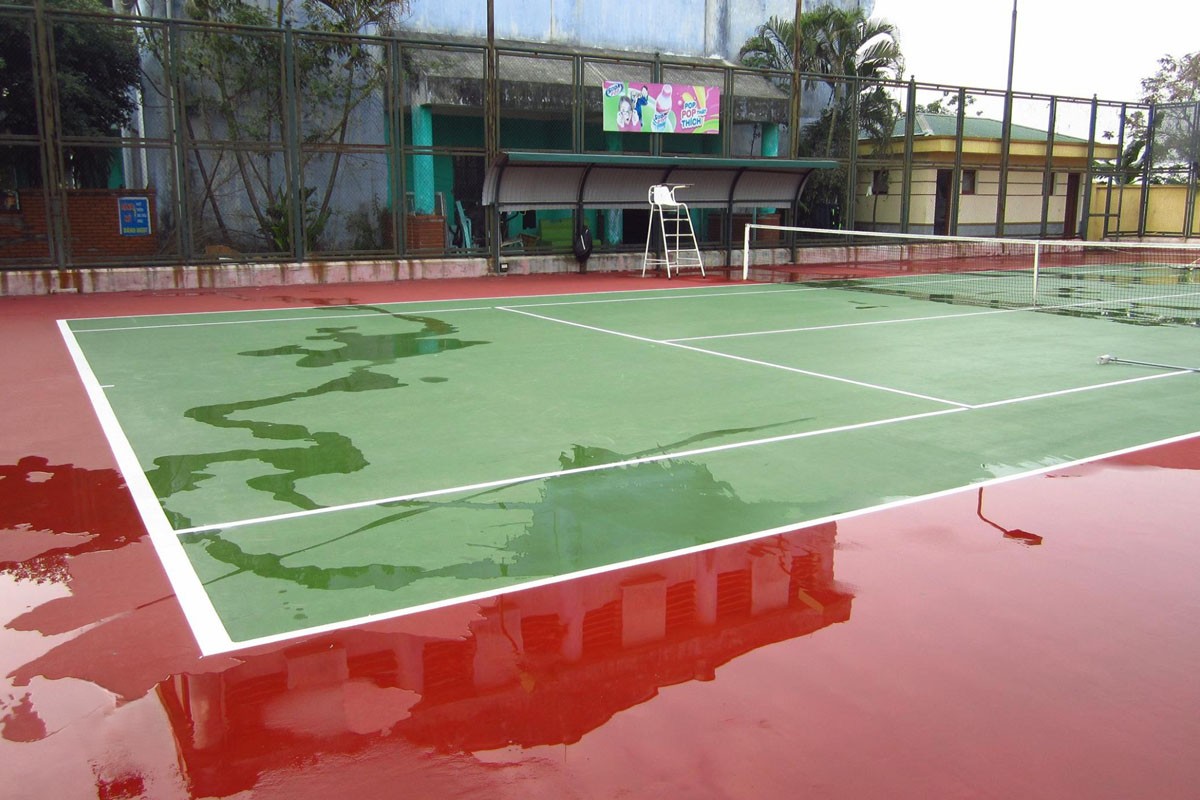
| Hard Court (Cement / Asphalt with Acrylic Coating) | Most common worldwide; made of concrete or asphalt with multiple acrylic layers. | Consistent and predictable. | Medium to fast (faster than clay, slower than grass). | Suitable for all playing styles — offensive, defensive, or all-around. | High durability, low maintenance, good drainage, usable in most climates. | Hard surface increases stress on joints, knees, and ankles during long play. |
| Carpet Court | Made from polymer rolls or mats laid on a flat surface. | Low to medium, steady bounce. | Faster than clay, slower than grass. | Commonly used for amateur or indoor courts. | Easy installation and removal; flexible setup. | Slippery surface may cause injuries; discontinued in ATP/WTA tournaments since 2009–2018. |

Essential Supporting Infrastructure
To ensure a tennis court meets professional standards and provides an excellent playing experience, several auxiliary facilities are required:
Perimeter Fencing:
Height: 4 – 4.5 meters, typically made with B40 wire mesh, to prevent balls from leaving the court and ensure safety.
Lighting System:
Practice or community courts: 300 – 500 lux.
Professional tournament courts: 750 lux or higher.
Use high-power LED lights that are energy-efficient and provide uniform illumination.
Player Benches:
Placed on both sides of the court to offer comfortable rest areas between games.
Scoreboard (manual or electronic):
Helps players and spectators easily track scores, enhancing professionalism.
Additional Facilities:
Depending on the investment model (club, resort, or sports complex), these may include changing rooms, restrooms, and service counters or kiosks.

2. Professional Tennis Court Construction Process
To ensure a tennis court that is durable, visually appealing, ITF-standard, and safe for players, the construction process must follow strict, well-defined stages.
Topographical Survey:
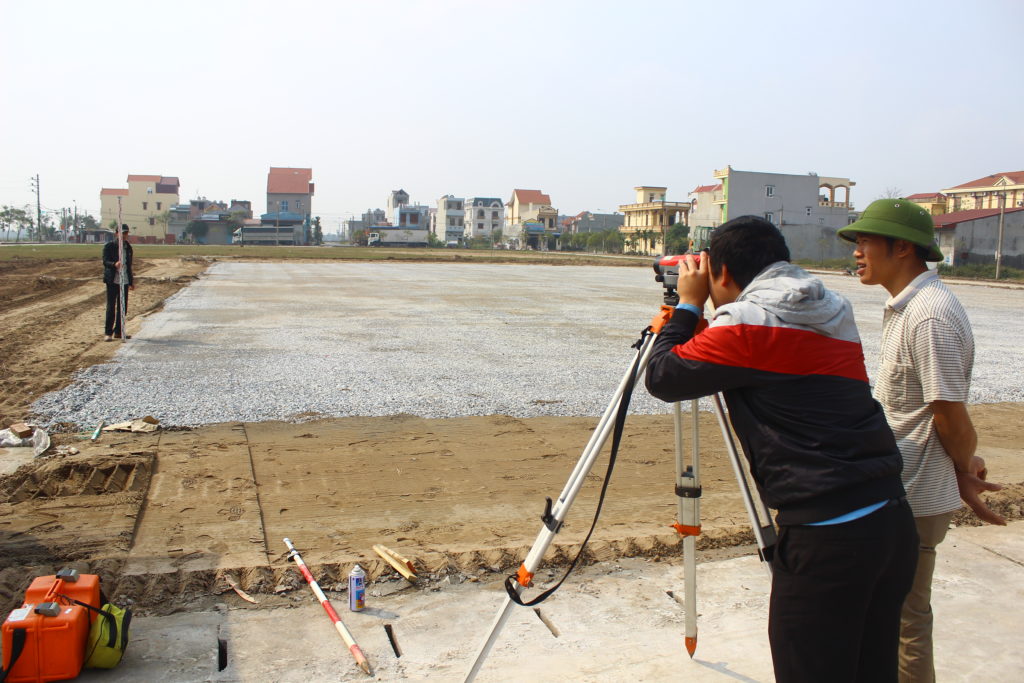
Measure the total area, check soil hardness, and determine the North–South orientation to minimize glare from sunlight.
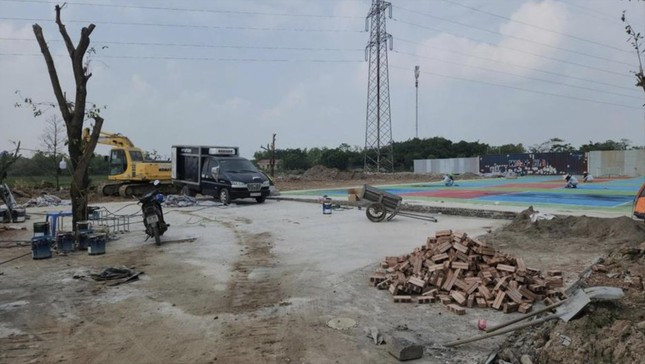
Clearing and Leveling:
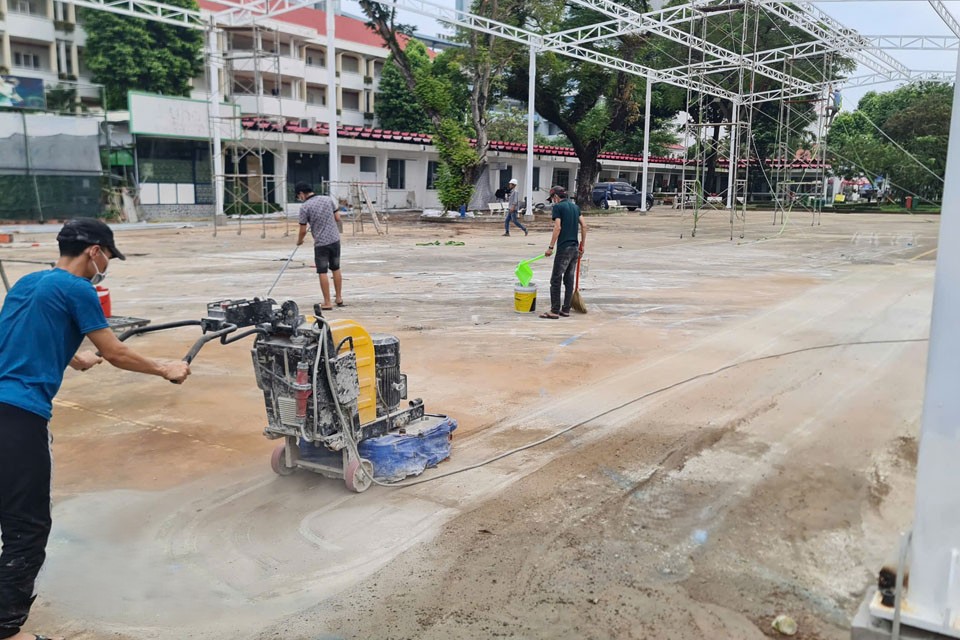
Remove grass, debris, tree roots, and stones, then level the ground surface.
Soil Compaction:
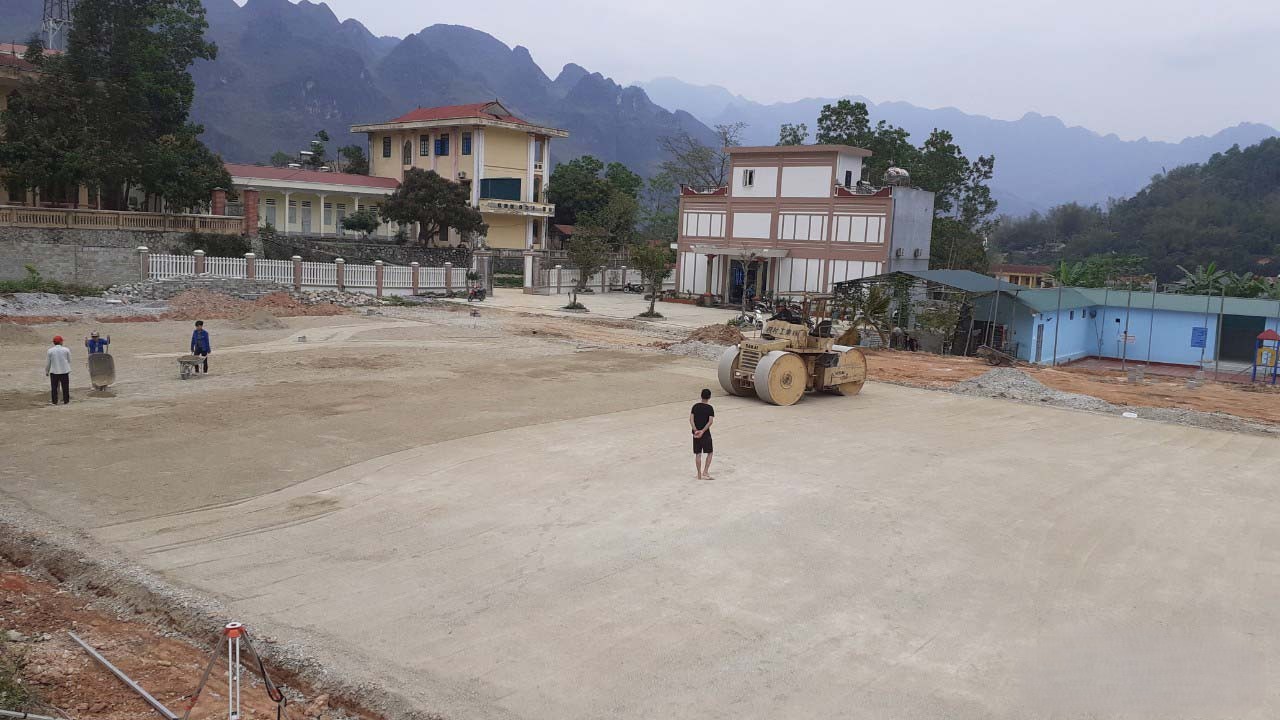
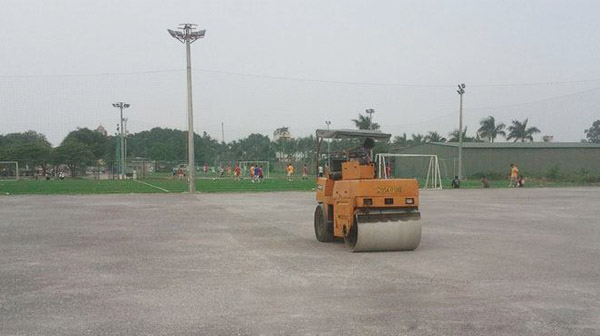
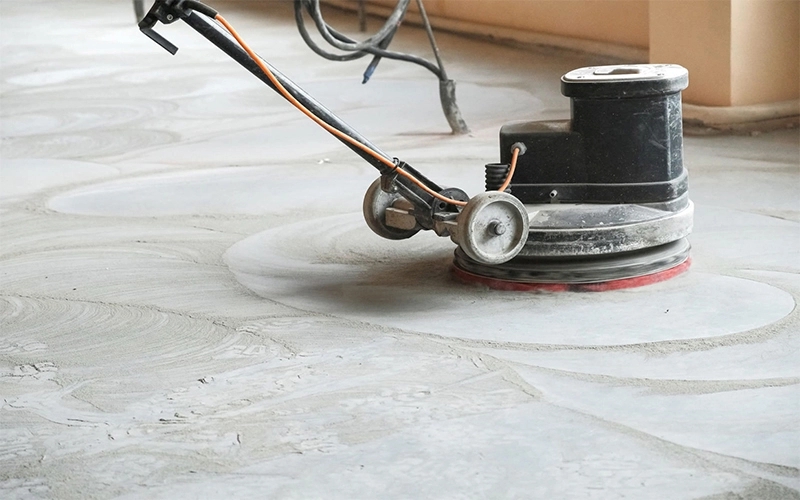
Use a 10–12 ton roller to compact the soil in layers of 20 cm, achieving a compaction rate of K ≥ 0.95 to prevent settlement and cracking over time.
Base Treatment:
Spread layers of crushed stone and fine gravel, creating a 0.83–1% slope for effective drainage.
Underground Drainage Installation:
Install drainage pipes around the court to ensure proper water flow and maintain a dry, non-slip surface in all weather conditions.


The type of base depends on the chosen court surface:
Reinforce the surface with steel mesh according to structural drawings.
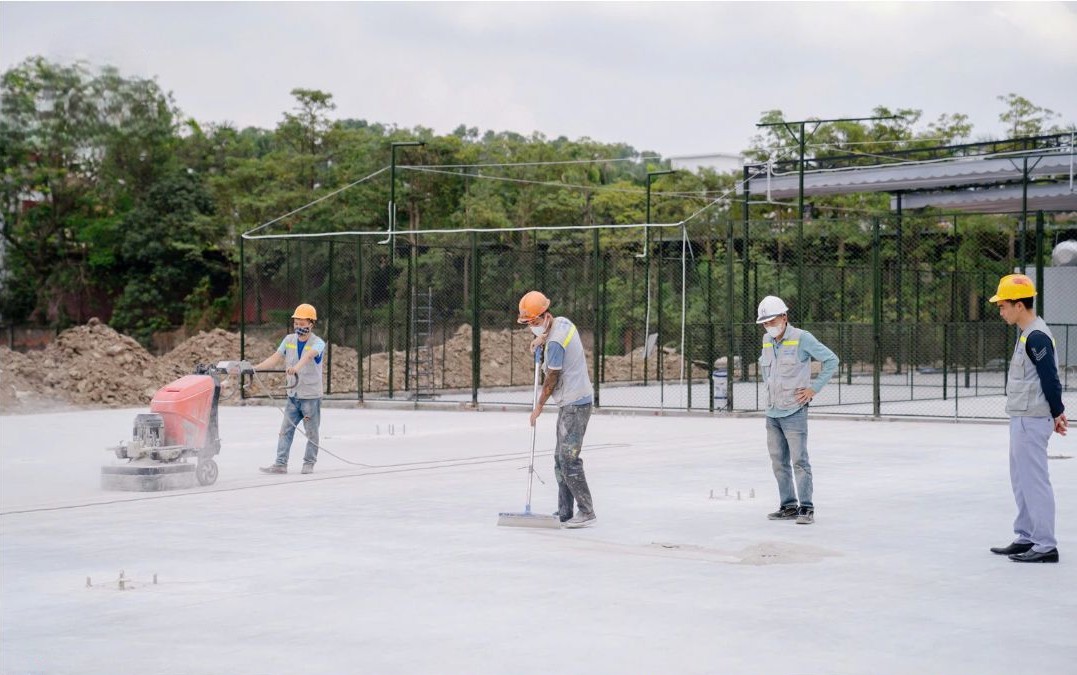
Pour concrete grade ≥ 250, with a thickness of 12–15 cm, and use a vibrating compactor to eliminate air bubbles.
Cut expansion joints within 24 hours to prevent cracking.
Cure with water for at least 25 days before applying the surface coating.
Spread layers of crushed stone (0x4) and fine gravel, compacting firmly.
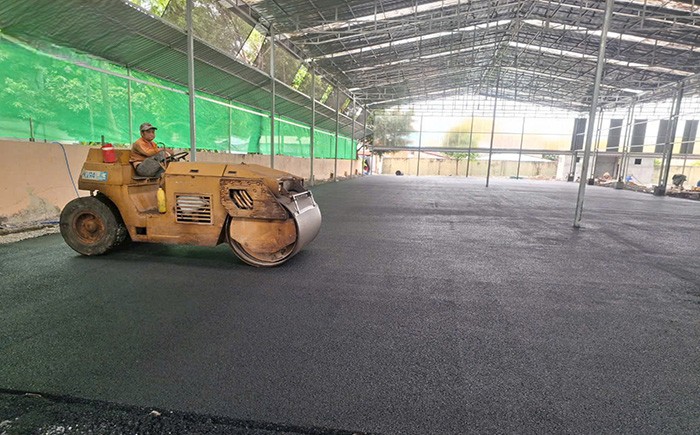
Apply hot asphalt with a thickness of 4–5 cm, then level the surface evenly.
Allow 14–20 days for curing to ensure the asphalt stabilizes before coating.
Apply a full coating of special waterproof materials (such as Sika Latex or Epoxy) across the court surface.
This prevents moisture seepage from below and significantly extends the court’s lifespan.


Each court type requires a specific surface installation process:
Spread a 3–5 cm layer of finely crushed clay or brick powder.
Water evenly and compact repeatedly to form a smooth, glossy surface.
Produces high bounce and heavy spin, ideal for long rallies.
Lay synthetic grass mats over the waterproofed base.
Use special adhesive, silica sand, and rubber granules to fix and stabilize the turf.
Provides fast ball speed, consistent bounce, and reduced joint impact.
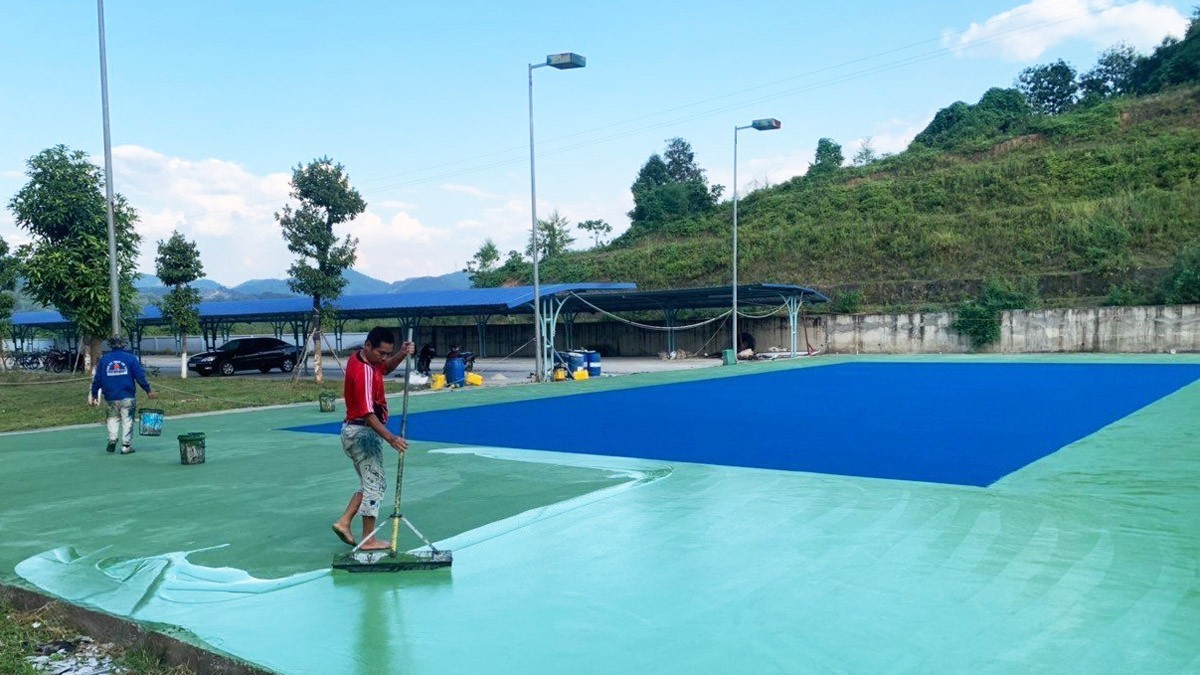
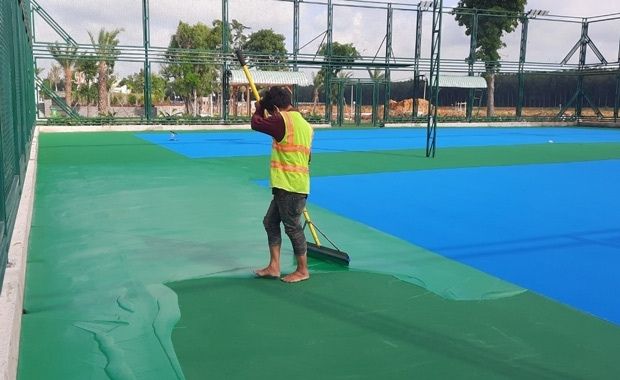
Apply 6–7 layers in total:
2 waterproof primer layers
2 rubber cushion layers for shock absorption
2 colored surface layers with anti-slip sand mix
1 UV-protection finishing coat
Construction time: 5–7 days
Durability: 5–8 years
Install specialized tennis carpet (PVC, rubber, or woven fabric).
Easy to install and remove; ideal for indoor courts but rarely used in professional tournaments.


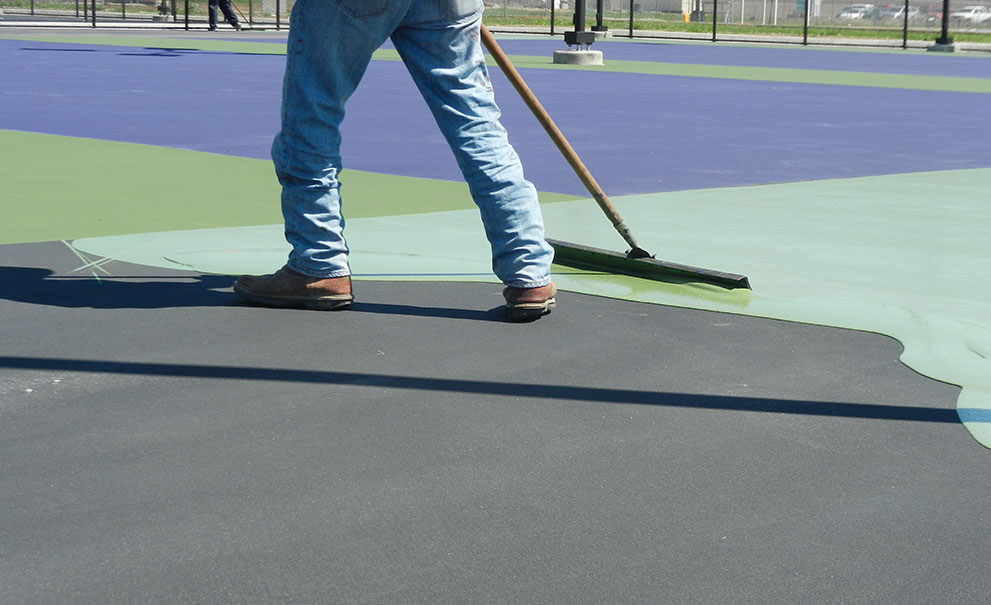
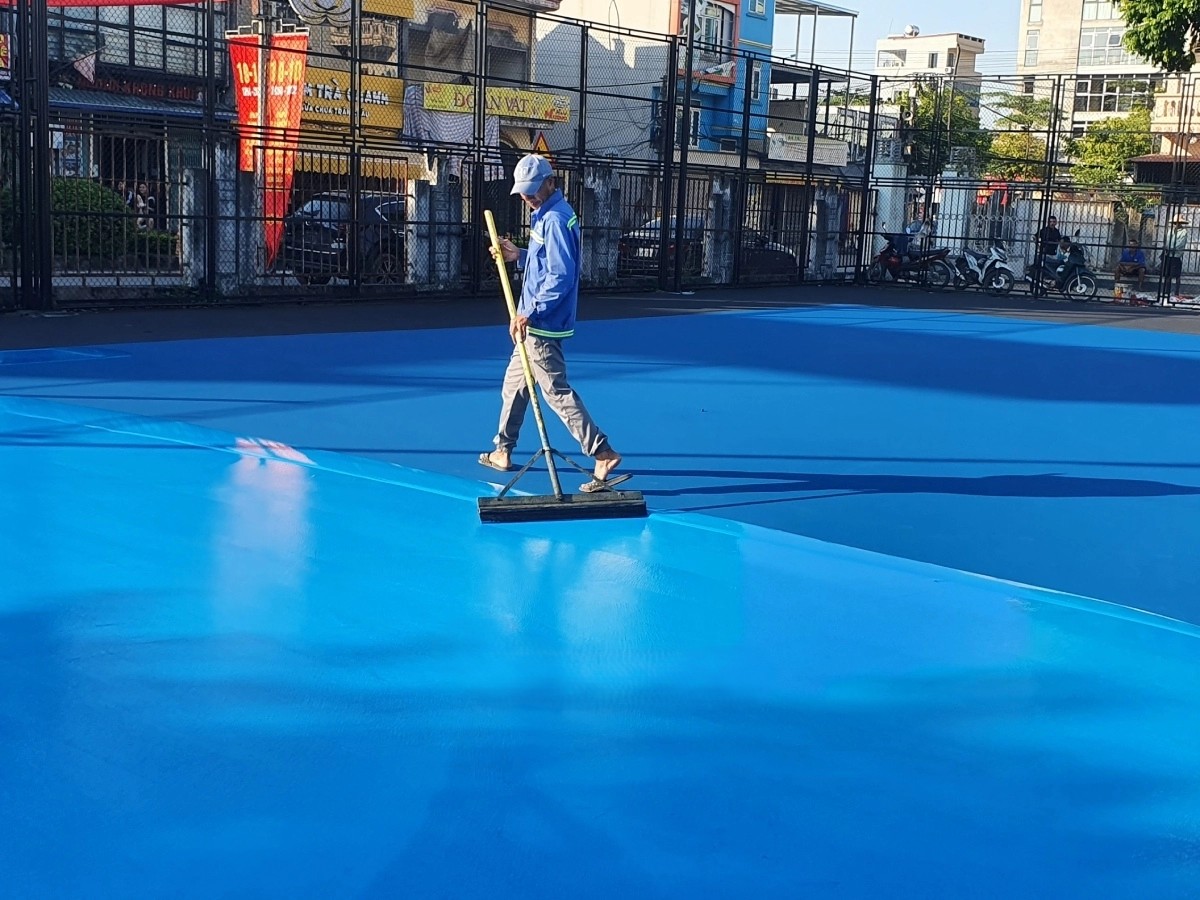
Use Acrylic sports paint or Epoxy coating for a non-slip, UV-resistant, and color-stable finish.
Add fine sand to the final layer to enhance shoe grip and ensure safe movement.
Follow ITF (International Tennis Federation) standards precisely.
Singles Court: 23.77 m × 8.23 m
Doubles Court: 23.77 m × 10.97 m
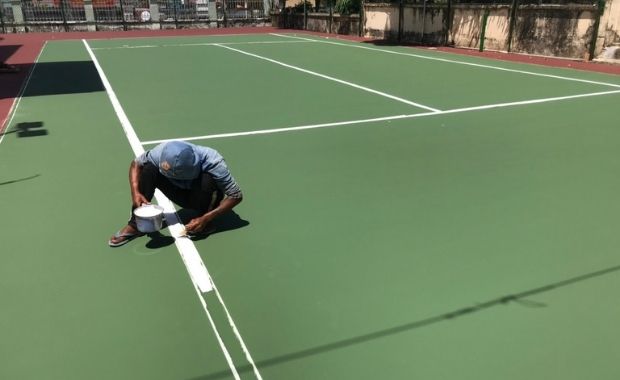
Lines should be 5 cm wide, painted in white, with clean and sharp edges free of smudges.


Post height: 1.07 m, positioned 0.914 m outside the sidelines.
The net divides the court evenly into two halves and must be tightly and evenly tensioned.
Install 6–8 lighting poles, each 5–6 m high.
Use 1,000W high-pressure lamps with illumination standards:
300–500 lux for practice courts.
750 lux or higher for competition courts.
Height: 4–4.5 m.
Made of B40 galvanized steel mesh, wire diameter 3.5 mm, mesh size 5 cm.
Powder-coated for rust resistance and player safety.
Player benches on both sides.
Electronic or manual scoreboard for match tracking.
Spectator stands (for tournament or club courts).

Foundation Inspection:
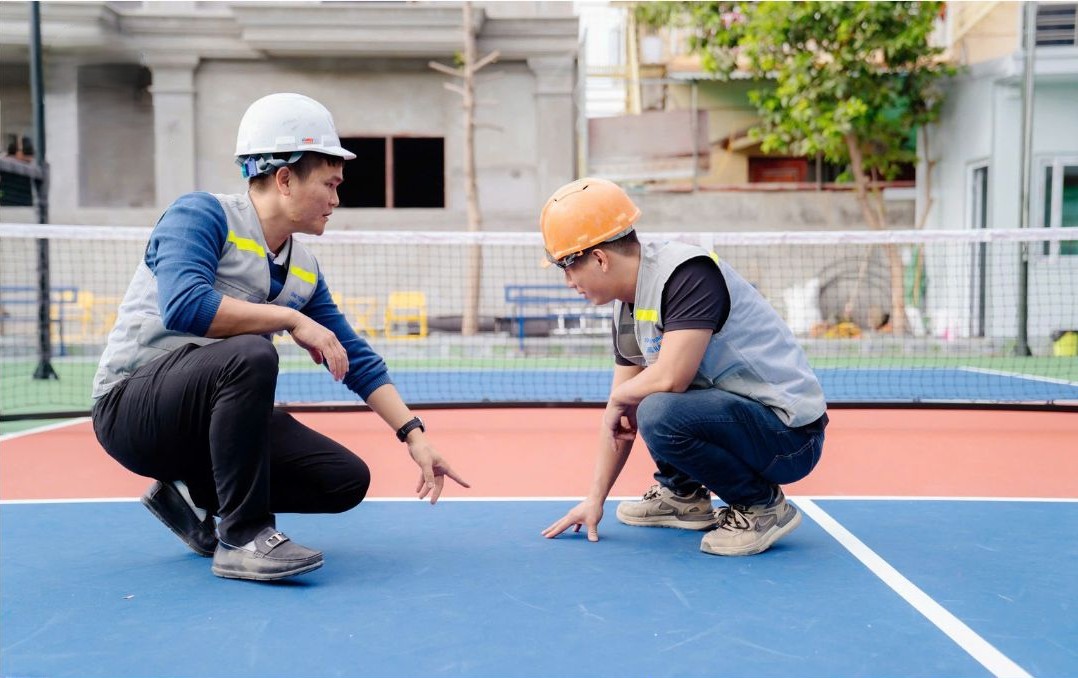
Verify the court’s slope, flatness, and surface grip meet design and ITF standards.
Court Measurement:
Check all dimensions to ensure full compliance with ITF regulations.
Safety and Performance Testing:
Conduct trial runs and test plays to evaluate ball bounce consistency and overall playing safety.
Project Handover:
Deliver the completed court along with technical documents, as-built drawings, and maintenance guidelines — including:
Repainting every 5–7 years.
Weekly cleaning and inspection to maintain surface quality and longevity.

Estimating and managing costs is a core factor determining the efficiency of an investment. A tennis court project must not only be durable, aesthetically pleasing, and internationally standardized, but also cost-effective to ensure long-term economic value.
Court size:
Residential courts: Smaller in scale with fewer auxiliary facilities → lower cost.
Club, resort, or ITF-standard tournament courts: Larger in area with added infrastructure such as stands, lighting systems, and waiting areas → significantly higher cost.
Court surface type:
Clay court: Simple construction with moderate initial cost but high maintenance expenses (leveling, watering, re-coating).
Natural grass court: Moderate initial investment but expensive upkeep (mowing, watering, regular maintenance).
Artificial grass court: Reasonable cost, 7–10 years durability, and easy maintenance.
Hard court (concrete, asphalt with acrylic coating): The most common type in Vietnam — affordable, durable, low maintenance, and 10–15 years lifespan.
Carpet court: Less common, mainly used indoors or temporarily, with low cost but limited durability.

Materials & Construction Technology:
High-quality acrylic coating: Provides anti-slip performance and long-lasting color retention.
Imported artificial grass: Offers superior elasticity and UV resistance, though more expensive than standard turf.
ITF-standard LED lighting systems, galvanized B40 fences, and electronic scoreboards — these features contribute to higher overall costs.
Labor & Contractor Selection:
Professional contractors: Use modern technology and skilled technicians — higher pricing but ensure quality and on-time completion.
Small contractors: Offer lower costs, but come with risks of repair issues and poor warranty service.
Auxiliary Facilities:
Items such as player benches, electronic scoreboards, spectator stands, and equipment storage rooms can account for 10–20% of the total construction cost.

Reference Price Table for Tennis Court Construction
| Court Type | Dimensions | Estimated Cost (VND) | Notes |
|---|---|---|---|
| Residential / Small Practice Court | 16.46 × 33.53 m | Contact for quotation | Suitable for personal or family practice needs. |
| Club / Resort Court | 17.07 × 34.77 m | Contact for quotation | Includes lighting system, fencing, and auxiliary infrastructure. |
| Professional ITF-Standard Court | 18.29 × 36.57 m | Contact for quotation | Equipped with 750 Lux lighting system, scoreboard, spectator stands, and 4.5 m high fencing. |


Cost Comparison Between Tennis Court Surface Types
| Surface Type | Construction Cost | Maintenance Cost | Average Lifespan | Advantages | Disadvantages |
|---|---|---|---|---|---|
| Natural Grass Court | Low initial cost | Very high (watering, mowing, fertilizing regularly) | 5–7 years | Traditional playing feel, fast ball speed, soft on joints | Difficult to maintain, weather-dependent, high upkeep cost |
| Clay Court | Moderate | High (requires frequent leveling and watering) | 5–8 years | High bounce, strong spin, suitable for endurance players | Easily damaged by rain, requires continuous maintenance |
| Artificial Grass Court | Reasonable | Low (simple maintenance) | 7–10 years | Durable, low maintenance, ideal for resorts and residential areas | Can heat up under strong sunlight |
| Hard Court with Acrylic Coating | Medium | Low (only needs repainting every 5–7 years) | 10–15 years | Most popular, durable, easy to maintain, suitable for all weather conditions | Hard surface may cause joint stress during long play |
| Carpet Court | Low, quick installation | Low (easy to install and remove) | 3–5 years | Easy setup, flexible for indoor or community use | Not used in professional tournaments, slippery surface |

Tips to Optimize Tennis Court Construction Costs Without Compromising Quality
Choose the right court surface:
For long-term investment → opt for a hard court with acrylic coating.
For resorts or tourist areas → select artificial grass courts for better aesthetics and reasonable cost.
Plan the layout efficiently:
Build according to actual needs — avoid oversizing the court to prevent unnecessary expenses.
Select a reputable contractor:
Ensures correct technical execution and minimizes future repair costs.
Invest in proper foundation and drainage:
A solid, well-drained base extends the court’s lifespan to 10–15 years and reduces maintenance expenses.
Perform regular maintenance:
Clean the surface, seal cracks, and repaint every 5–7 years to maintain both appearance and performance.

👉 Therefore, the cost of tennis court construction depends on factors such as area, surface type, and contractor. However, with proper planning from the start, investors can optimize their budget while still owning an international-standard, durable, and high-performance court.
When choosing a tennis court construction company, investors should carefully evaluate several key factors. These criteria directly affect the quality, durability, and long-term investment efficiency of the project.
Experience & Technical Expertise:
Prioritize contractors with 5–15 years of experience in sports facility construction.
Review clear portfolios showcasing a wide range of completed projects — from residential courts and club facilities to international tournament venues.
Ensure the engineering team is knowledgeable about ITF standards, and proficient in groundwork preparation, surface finishing, and auxiliary system installation.
Choose contractors capable of constructing various court types — clay, natural grass, artificial grass, acrylic hard courts, and carpet courts.
Modern Equipment & Technology:
Advanced machinery such as laser slope measuring tools, modern compactors, and specialized coating equipment.
Use of premium materials like high-quality acrylic sports coatings, imported artificial grass, and innovative waterproofing and cushioning compounds.
ITF-standard lighting systems: specialized LED floodlights with illumination levels between 300–750 lux, providing uniform brightness without glare.

Quality Commitment & Long-Term Warranty:
Clear contracts outlining timeline, quality standards, costs, and warranty responsibilities.
Long-term warranty (3–5 years) covering the court surface, coating, and auxiliary infrastructure.
Construction strictly follows the ITF standards, ensuring the court is durable, safe, and visually appealing.
Transparent Quotation & Dedicated Consultation:
Detailed quotation with clear breakdowns for each component — foundation, surface, lighting system, and competition accessories.
A professional consulting team that explains the pros and cons of each surface type to match your needs and budget.
Proposes cost-optimized solutions that maintain high overall quality while maximizing investment efficiency.

Benefits of Choosing the Right Tennis Court Contractor
Selecting a reliable and experienced contractor not only ensures the quality and safety of the project but also brings long-term advantages for investors:
Cost Savings:
Smart consultation: Analyze actual needs and recommend the most suitable court surface.
Material optimization: Balance between quality and cost for the best value.
Reduced additional expenses: Clear construction processes minimize technical errors and unexpected costs.
Durable, ITF-Standard Construction:
When built with proper techniques, the court can last 10–15 years with stable performance.
Dimensions, slope, surface quality, and lighting all meet international ITF standards.
Low maintenance costs, ensuring long-term efficiency and durability.

On-Time Project Delivery:
Detailed construction plan for each project stage.
Commitment to complete on schedule or earlier than expected.
Ensures timely delivery for large-scale projects, enhancing credibility and optimizing cash flow.
After-Sales Service & Long-Term Warranty:
Transparent 3–5 year warranty for the court surface and auxiliary infrastructure.
Regular technical support to extend the lifespan of the tennis court.
Long-term partnership: assistance with upgrades, repairs, and court expansions when needed.

📍CONTACT US NOW!
Head Office: 330A Ung Văn Khiêm, Thạnh Mỹ Tây, Ho Chi Minh City
Branch: No. 80, An Tho 1, An Khanh, Hanoi
Hotline for Quotations: 0888.509.626
Zalo OA: https://zalo.me/luoicongtrinh1
Fanpage: Công ty TNHH Lưới Công Trình
Email: kinhdoanh.luoicongtrinh@gmail.com
Lưới Công Trình Co., Ltd – Your trusted partner providing comprehensive, international-standard solutions for your Pickleball court construction!
See More
Collapse
Giao hàng nhanh chóng en
Giao hàng trong vòng 24 giờ en
Sản phẩm chính hãng en
Sản phẩm nhập khẩu 100% en
Mua hàng tiết kiệm
Rẻ hơn từ 10% - 30%
Hotline mua hàng en
0888.439.626


.png)


.png)



.webp)


