

What Are the Benefits of Using Insect Netting for Farmers? Applications of Insect-Proof Nets – Let’s Explore with Lưới Công Trình!
Insects play a vital role in maintaining ecological balance. While beneficial species such as bees and butterflies aid in pollination, numerous other insects—including caterpillars, beetles, aphids, and snails—pose significant threats to agricultural productivity.
For farmers, pest infestations are a persistent and costly challenge. Harmful insects feed on leaves and young shoots, weakening plants, reducing their ability to photosynthesize, and eventually causing wilting or death. As a result, crop yields and quality decline sharply.
Various pest control methods are used in agriculture, such as chemical pesticides and mechanical traps. However, one of the most efficient and environmentally friendly solutions is insect-proof netting, which helps reduce pesticide use and increases the market value of agricultural products.
.png)
Insect netting is a type of mesh fabric woven from ultra-fine threads using modern machinery. It is designed for use in greenhouses, shade houses, nurseries, and even in livestock farming. The primary function of insect netting is to physically block insects from accessing crops and livestock, while also protecting them from dust, strong winds, airborne diseases, and other environmental stressors.
.png)
There are many types of insect netting on the market, made from different materials. The highest quality nets are manufactured from virgin HDPE (high-density polyethylene), which ensures superior durability and longevity compared to recycled or mixed plastic variants.
👉 Explore: White Insect Netting
As its name suggests, insect netting is designed to block insect pests. But what makes it a standout solution in modern agriculture? Here are some key advantages of insect netting from Lưới Công Trình:
Effectively blocks insects and pests from damaging crops, promoting healthier plant growth and higher yields.
Suitable for all farming models—from small household gardens to large-scale commercial farms.
Does not interfere with plant growth or beneficial insect activity.
Can be used across a wide range of crop types.
High durability for long-term use.
Can be combined with greenhouse films for enhanced crop protection and optimal light transmission.
Lightweight and easy to handle and install.
Easily customizable to any size, serving various applications.
.png)
Insect netting is widely used to build net houses that create a controlled environment for crops. These structures block pests, reduce exposure to harsh weather (e.g., storms, hail, dust), and eliminate the need for pesticides—making it easier to grow clean, safe produce.
.png)
During fruiting seasons, crops like gourds, melons, mangoes, guavas, and plums attract pests. Wrapping these plants with insect netting prevents pest access and maintains fruit quality. In large-scale orchards, netting also reduces costs and labor while ensuring effective protection.
.png)
Insect netting can be used to enclose livestock areas (cows, pigs, buffaloes, etc.) to block flies, mosquitoes, and ticks—improving animal health and reducing the risk of disease transmission.
Due to its high durability and resistance to both freshwater and saltwater environments, insect netting is used to construct floating cages and cover ponds. It prevents contamination from insect-borne pathogens and reduces UV exposure and algae growth.
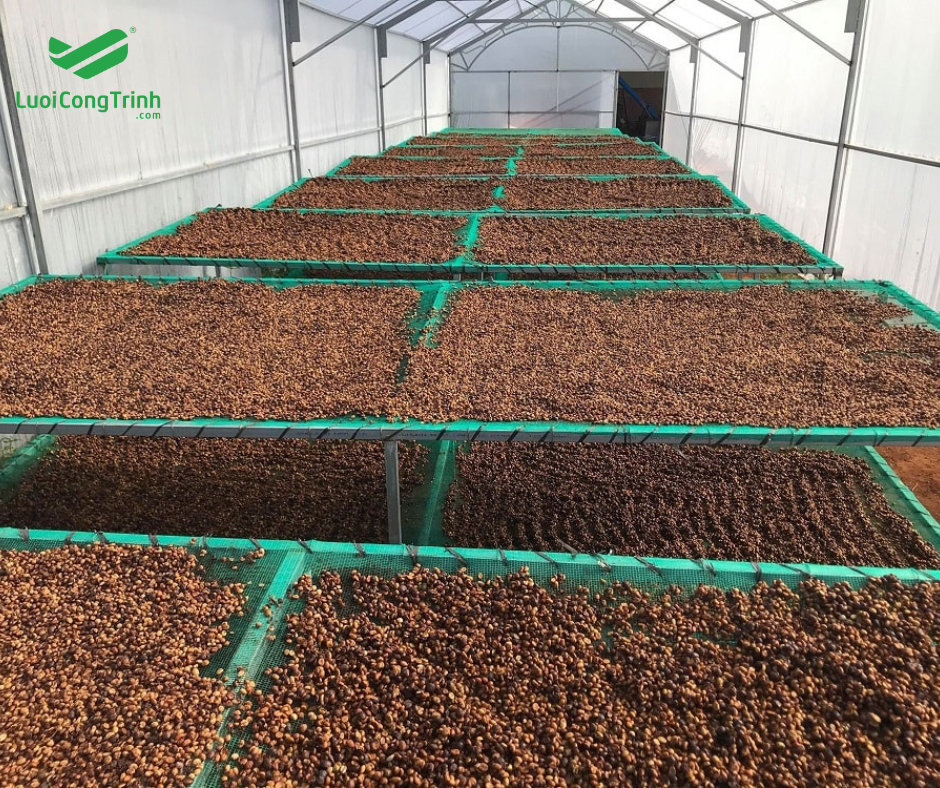
With its fine mesh, insect netting also serves as an excellent drying surface for agricultural and seafood products. It prevents contamination from dust, soil, and insects while ensuring good airflow during the drying process.
 5. How to Choose the Best Insect Netting
Common materials include stainless steel, fiberglass, and HDPE plastic. Choose based on your needs, crop type, and regional climate to ensure durability and efficiency.
Select mesh size based on the pests you want to exclude:
16 mesh: Ideal for seed germination protection and basic weather shielding.
25 mesh: Blocks larger pests like birds and beetles.
32 mesh: Stops small insects like aphids, whiteflies, thrips, and mosquitoes.
Choose netting according to the growing season, local climate conditions, UV levels, and crop requirements. A well-matched net will last longer and perform better, saving investment costs over time.
Prices vary based on material and origin. Investing in high-quality nets ensures longevity and better return on investment.
Insect netting is commonly sourced from:
Vietnam
Taiwan
Israel
.jpg)
Lưới Công Trình Co., Ltd specializes in the production and customization of insect netting in various mesh sizes and specifications to meet the needs of Vietnamese farmers. We commit to:
☑️ Premium quality insect netting with long-lasting durability
☑️ The best wholesale prices on the market
☑️ Attractive discount policies for distributors and resellers
👉 Interested in finding the right insect netting for your crops? Contact us today for expert consultation!
CÔNG TY TNHH LƯỚI CÔNG TRÌNH
📍 Head Office: 330A Ung Văn Khiêm, Ward 25, Binh Thanh District, HCMC
📍 Hanoi Branch: No. 80, An Thọ 1 St., Nam An Khanh Urban Area, Hoai Duc
🏭 Factory: 58/6D Nhi Binh 4, Hamlet 1, Nhi Binh Commune, Hoc Mon District, HCMC
📞 Hotline: 0888.509.626
📩 Email: kinhdoanh.luoicongtrinh@gmail.com
📘 Fanpage: Công ty TNHH Lưới Công Trình


