





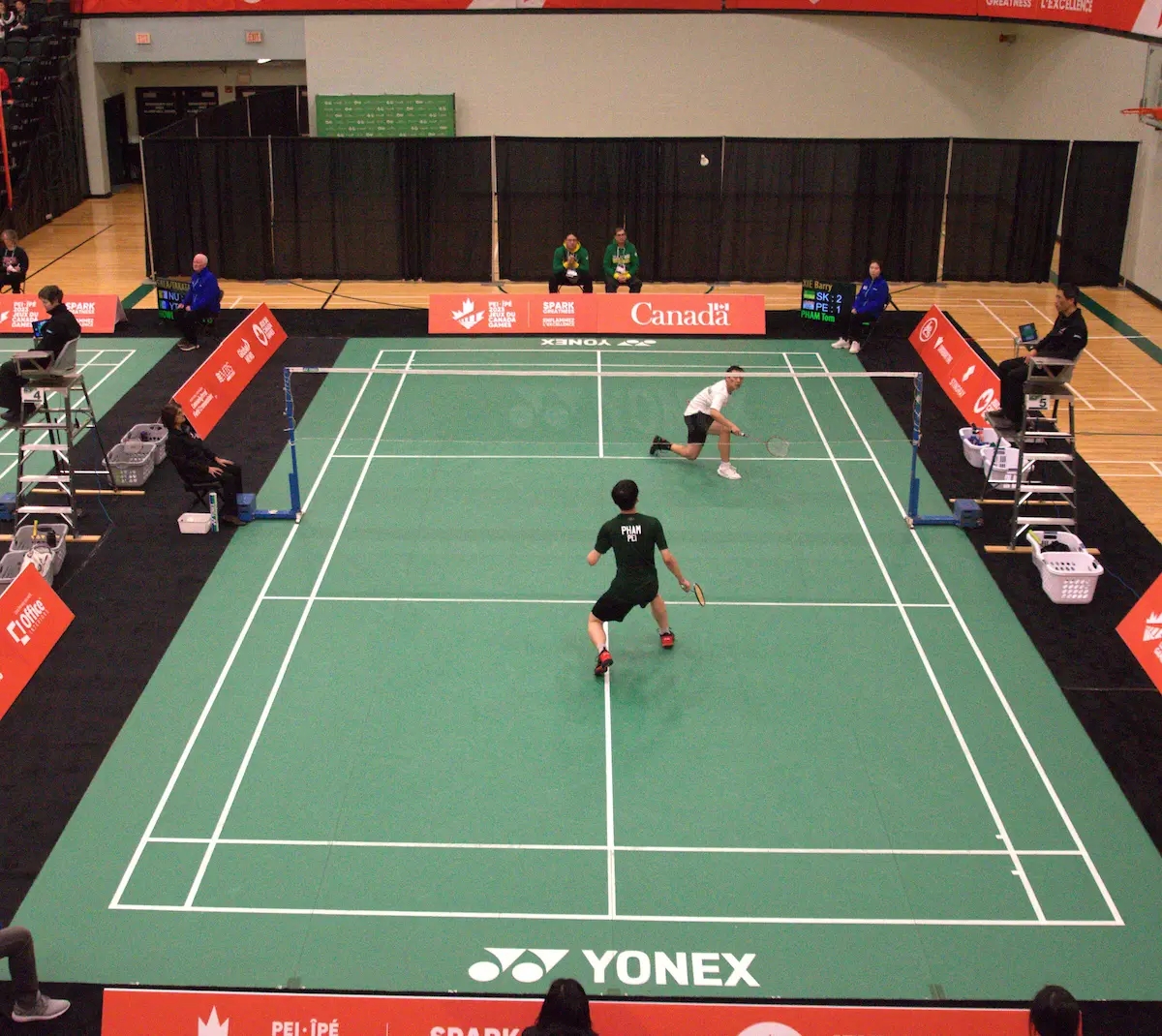
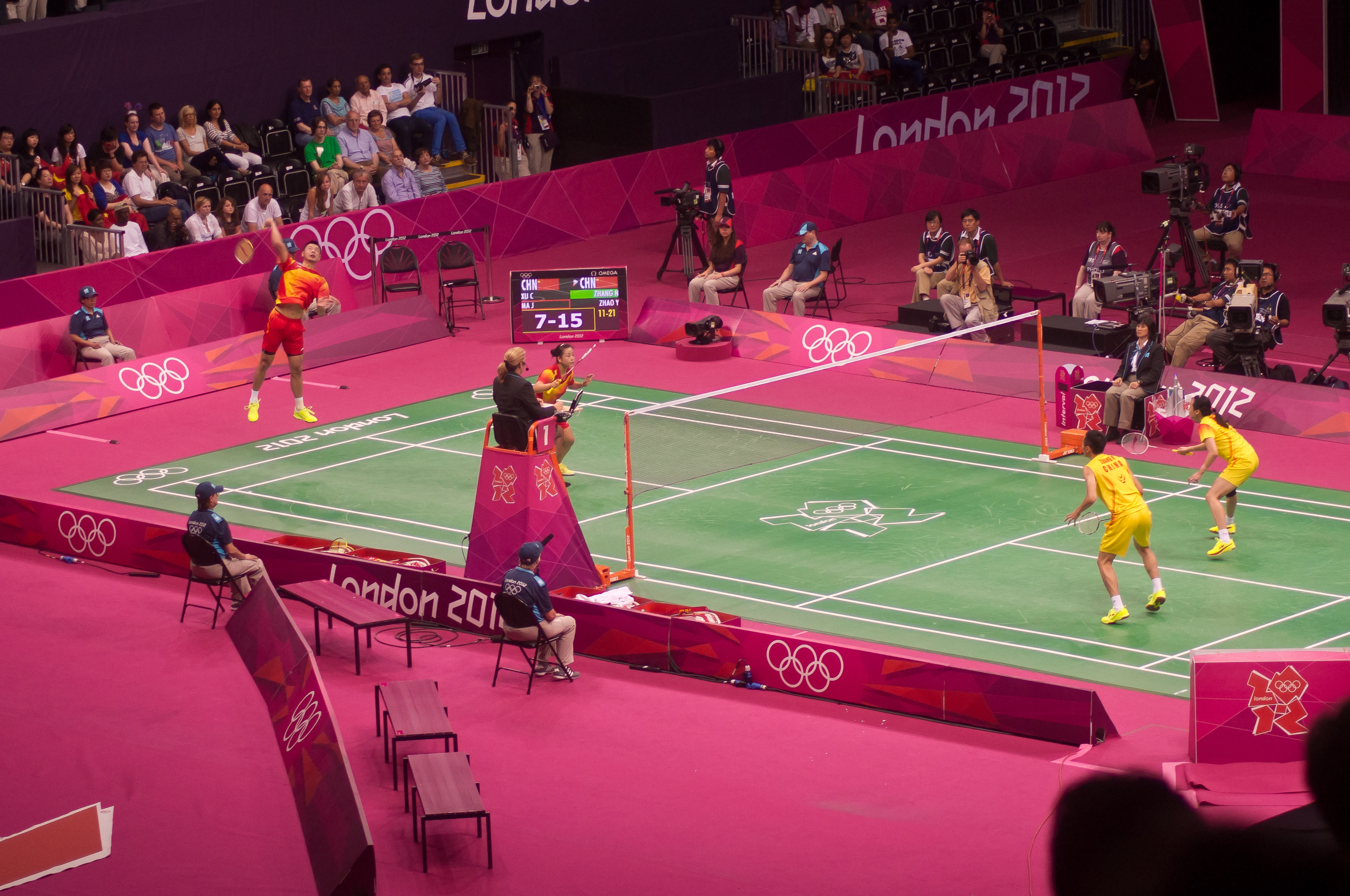
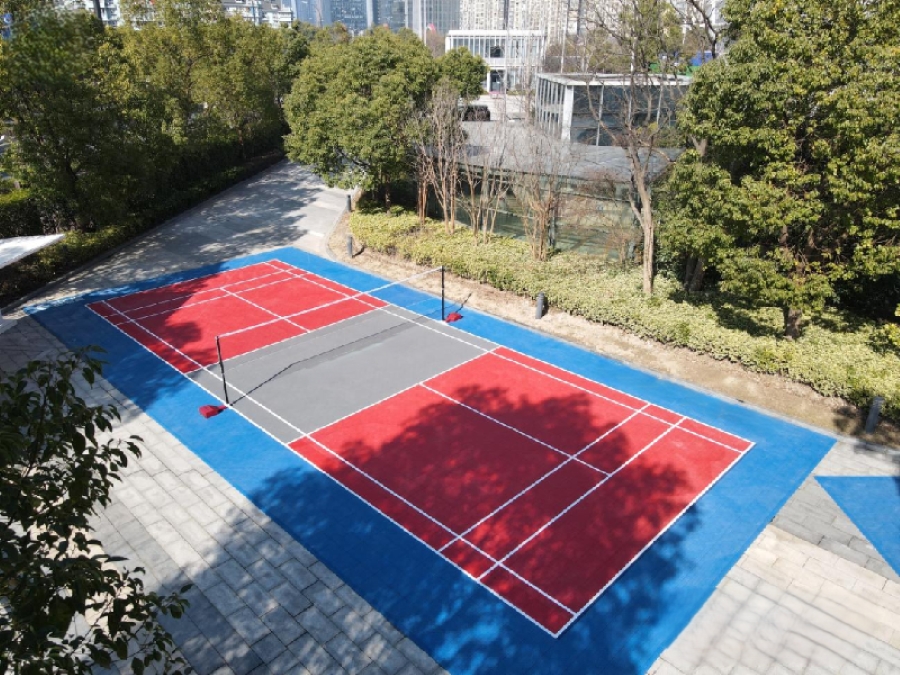

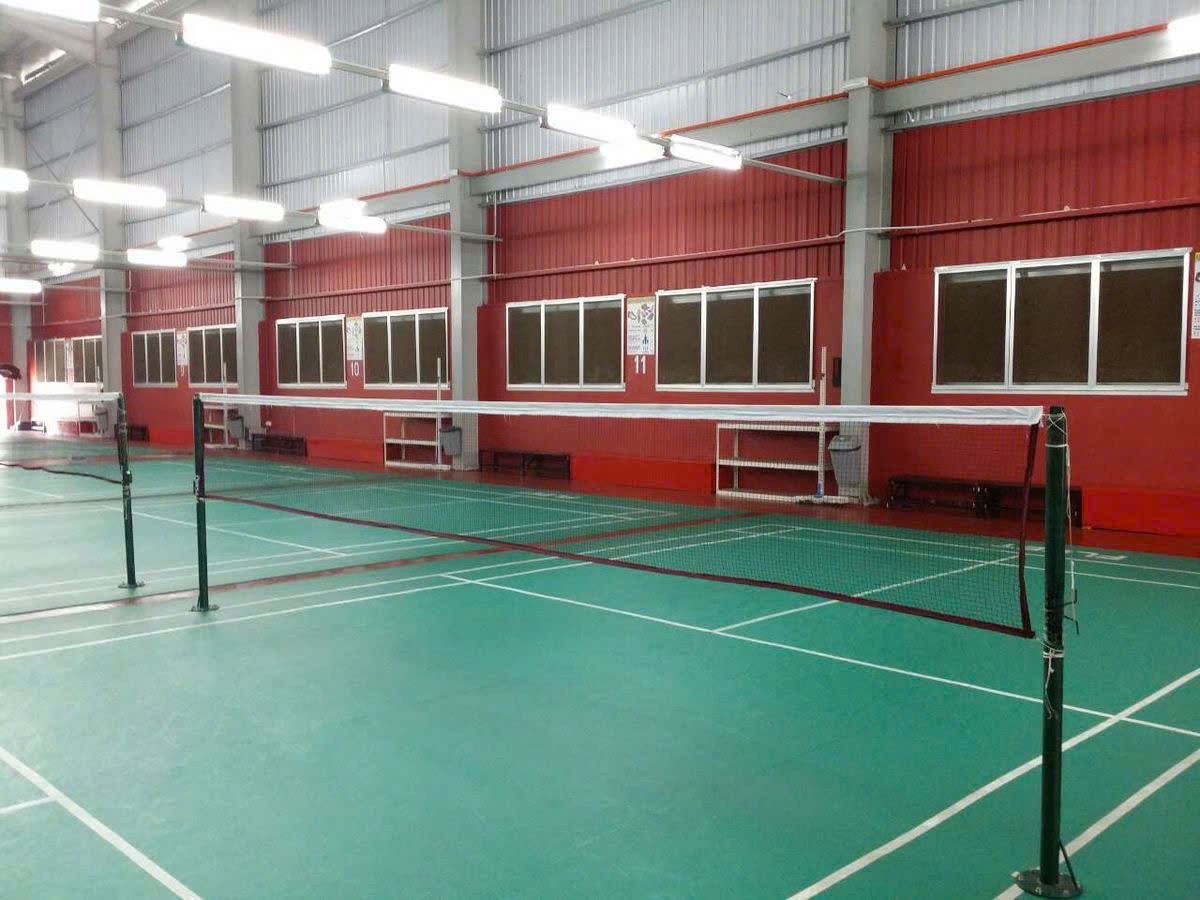
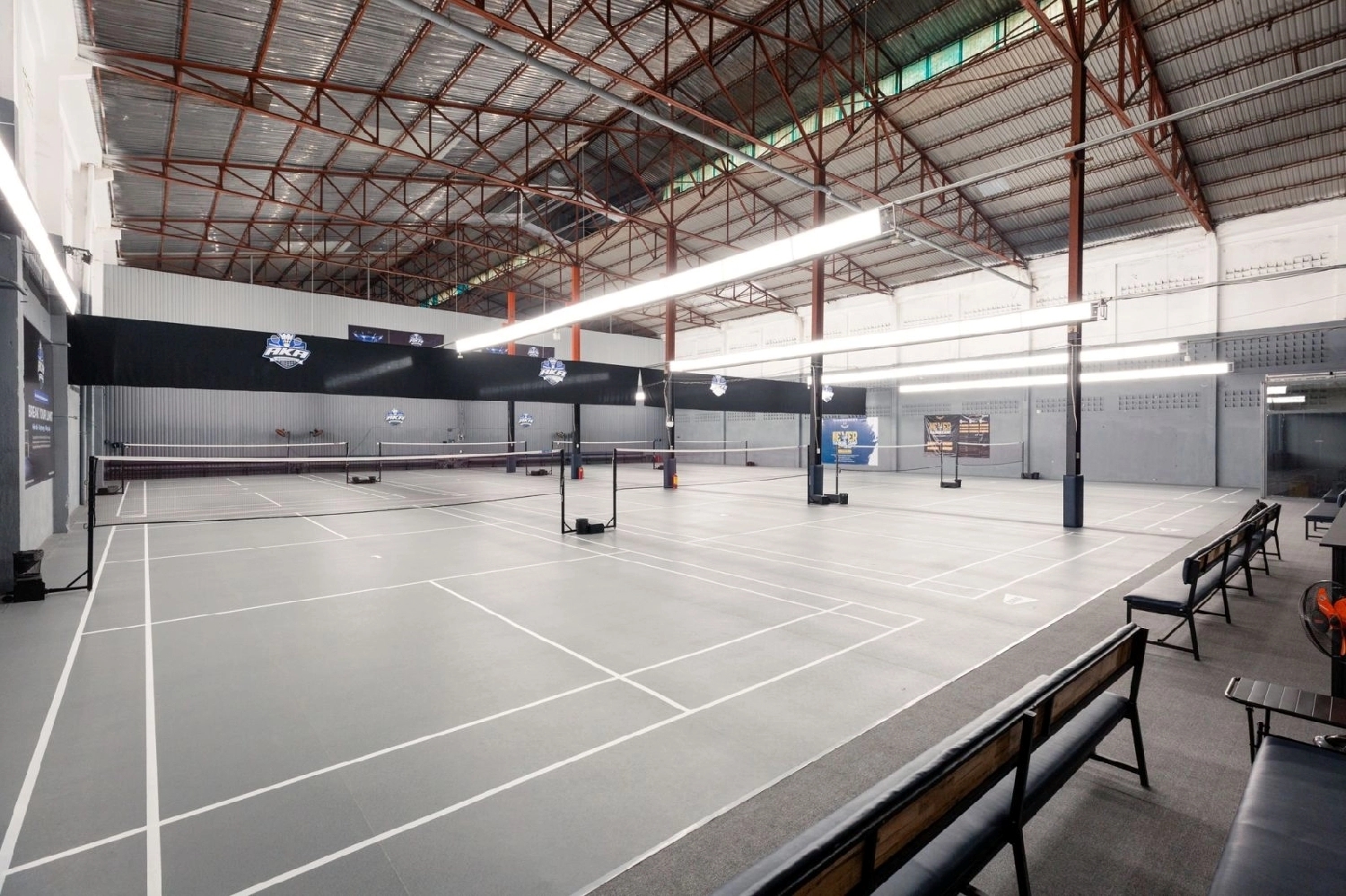
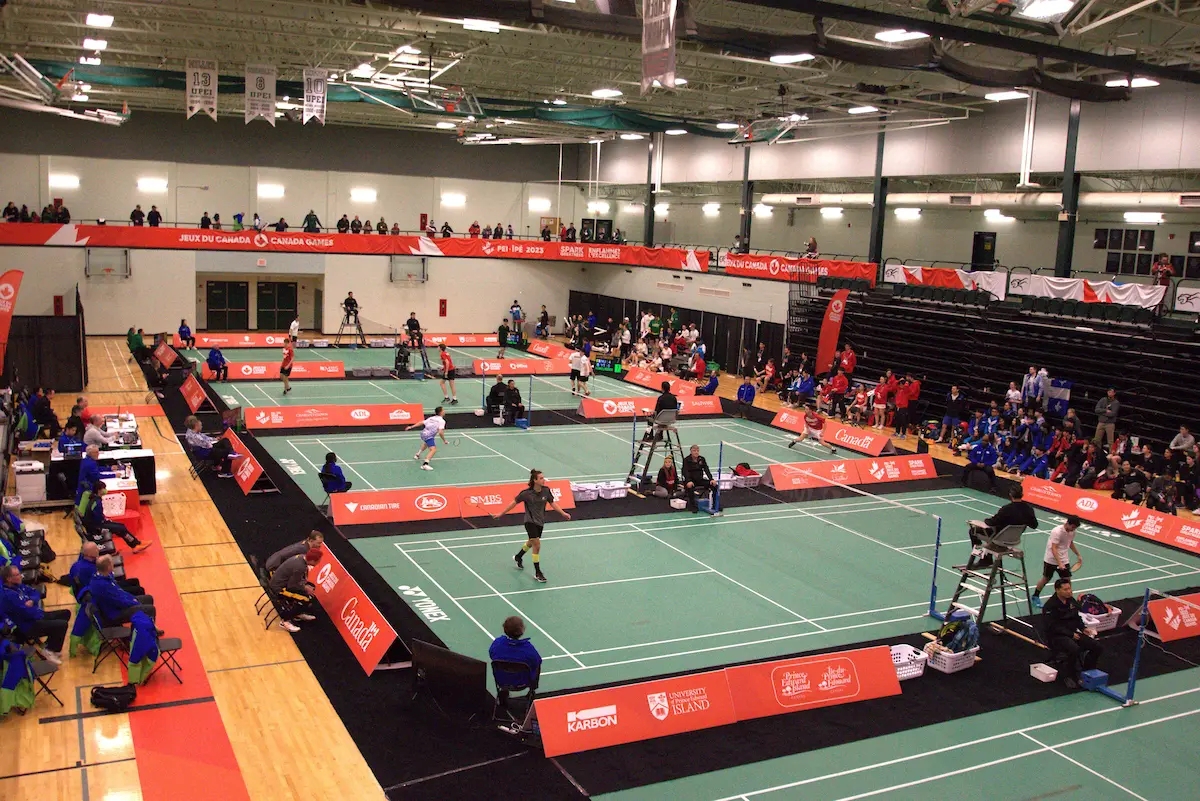

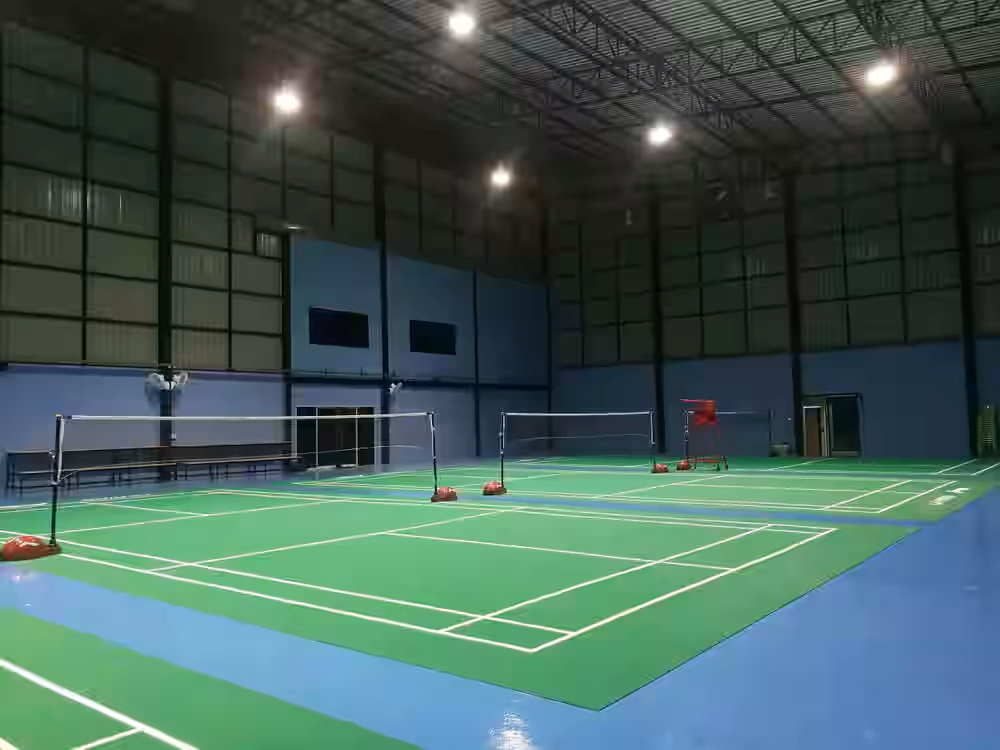
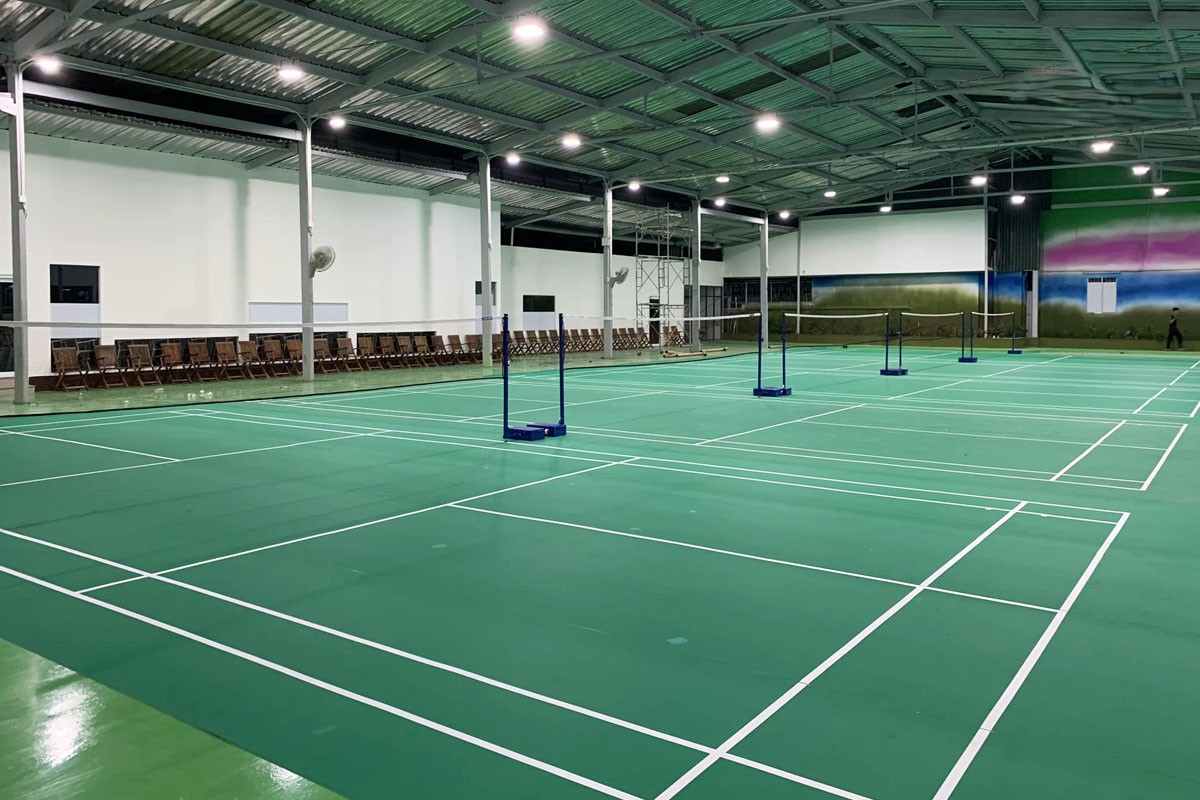


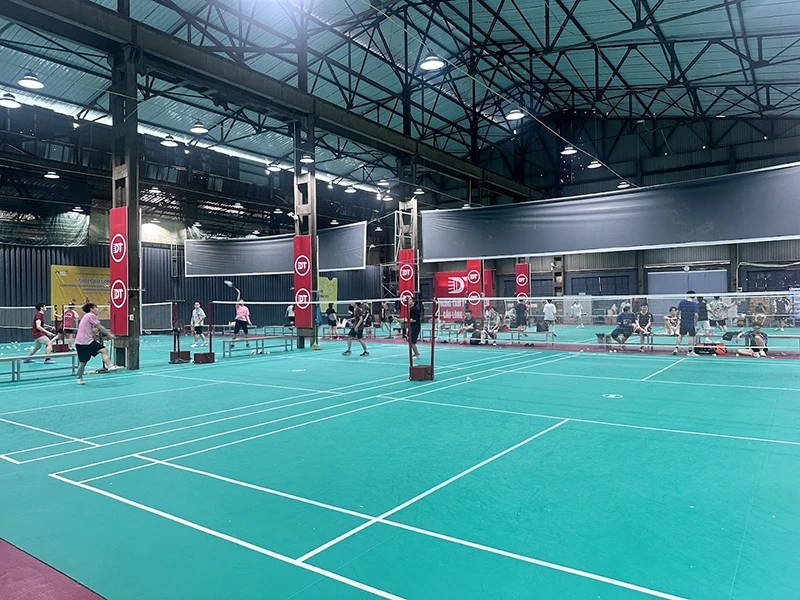
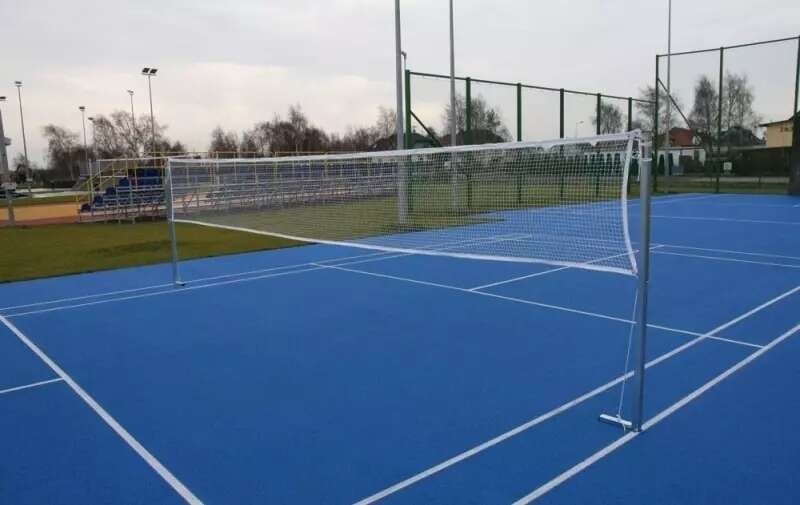
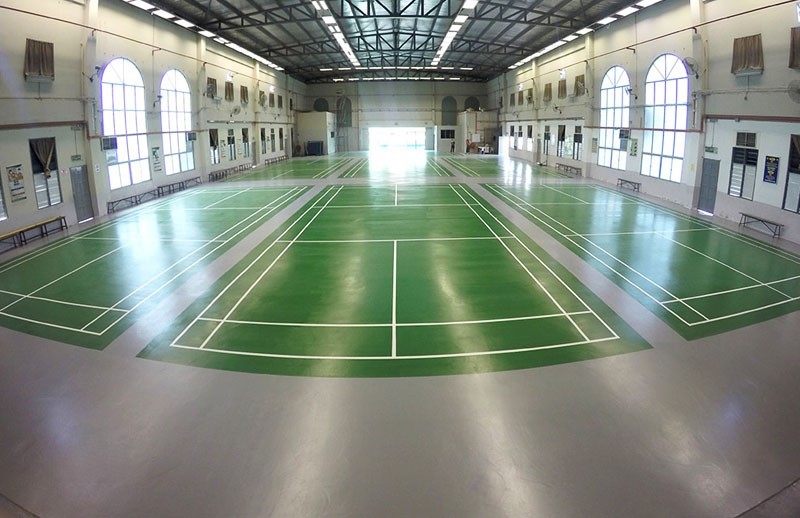
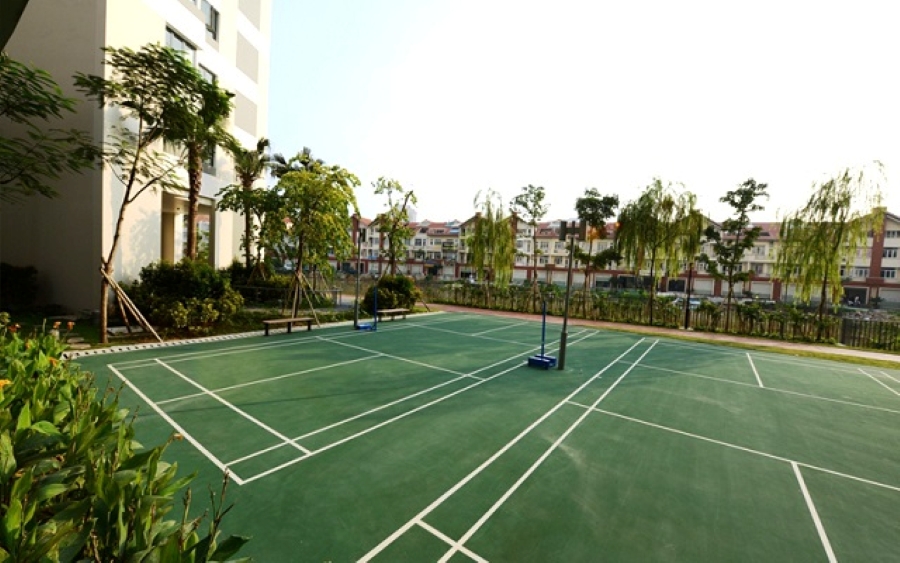
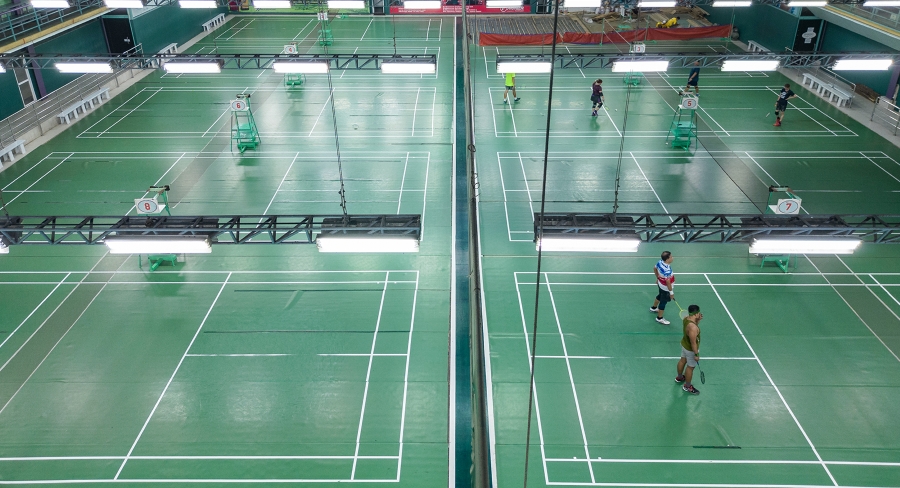
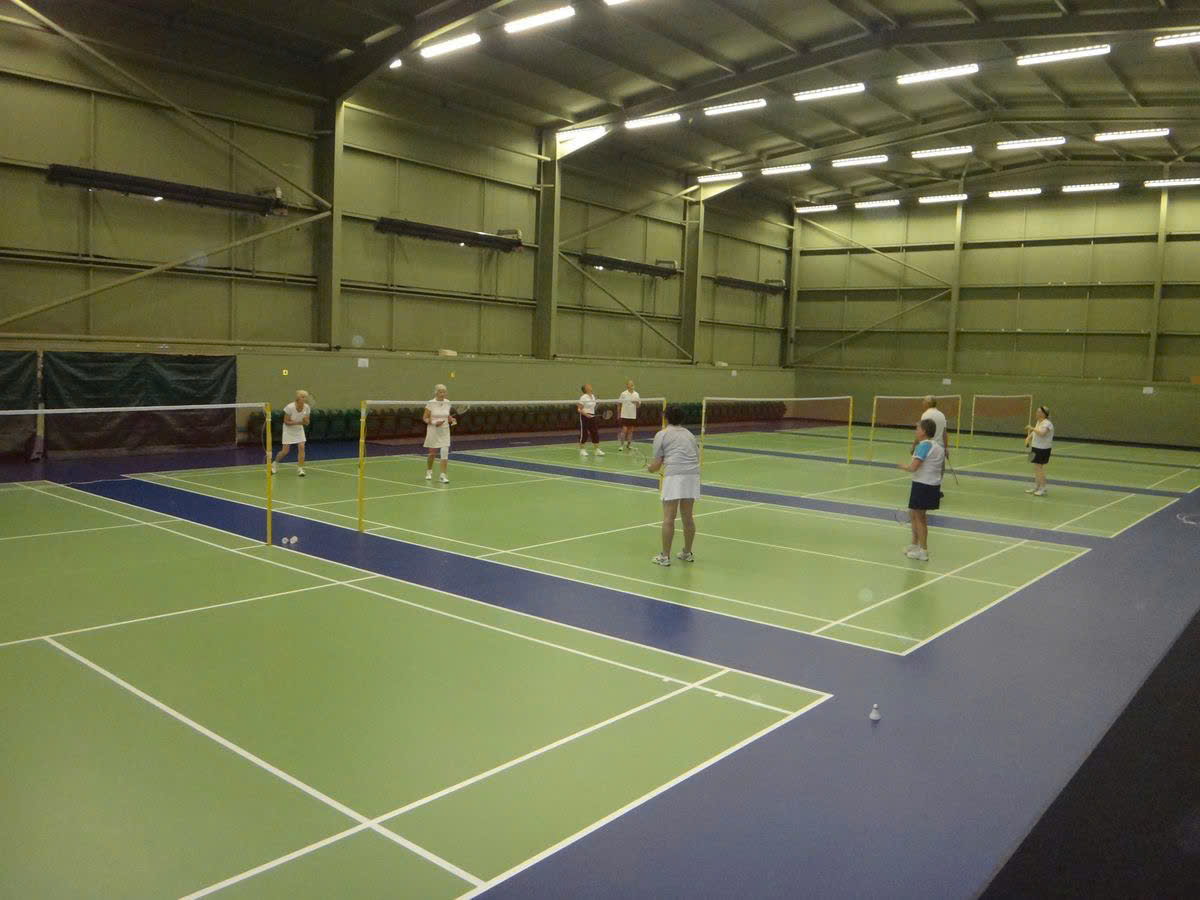


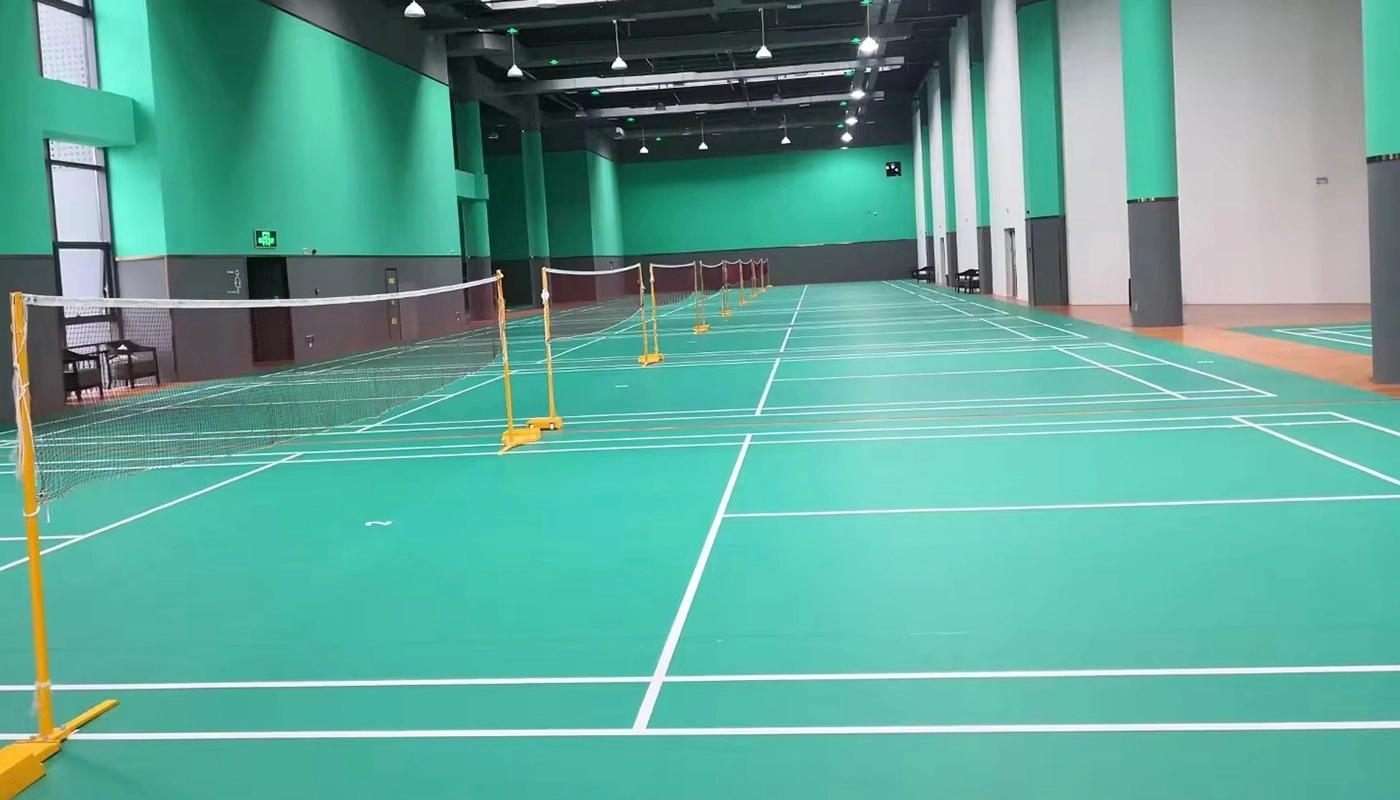
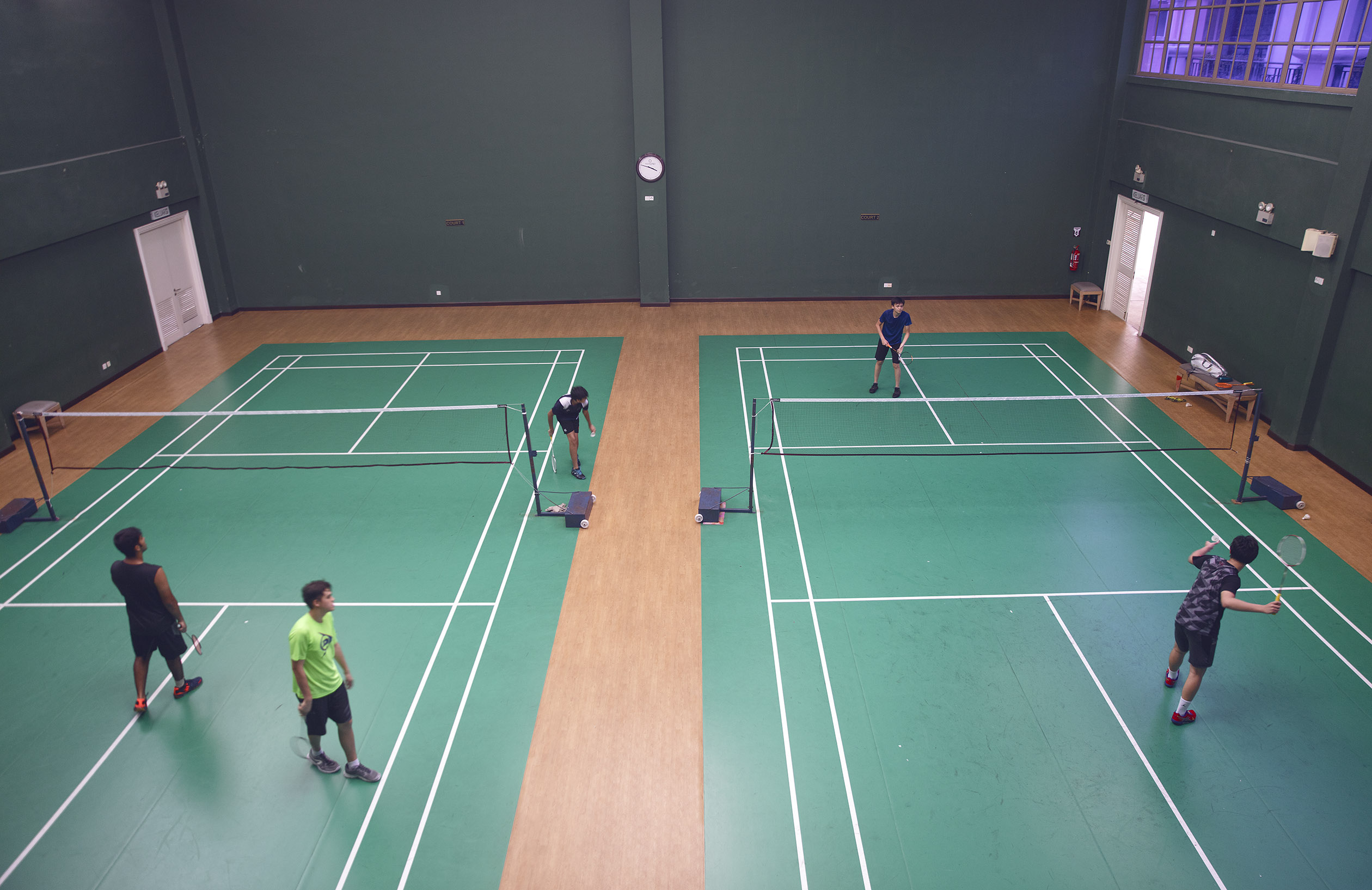
Construction Net Co., Ltd specializes in building international-standard badminton courts using premium materials such as PVC flooring, Acrylic coating, and Silicon PU. With a team of professional technicians, we are committed to delivering durable, safe, and BWF-compliant courts.
International Standard Badminton Court Construction – BWF 2025
Badminton is one of the most popular sports today, suitable for all ages thanks to its flexibility, simplicity, and numerous health benefits. Playing badminton helps improve physical strength, enhance flexibility, boost cardiovascular health, and effectively reduce stress.
In recent years, the demand for building and constructing badminton courts has been increasing rapidly across households, schools, sports centers, residential areas, and resorts. With low investment costs, fast construction time, and quick return on investment, badminton courts have become an ideal choice for both recreational and business purposes.
Owning a standard badminton court not only provides a safe and professional playing experience but also reflects modern aesthetics and contributes to promoting an active, healthy lifestyle within the community.

1. Design and Construction Standards for BWF-Approved Badminton Courts
1.1. Standard Badminton Court Dimensions
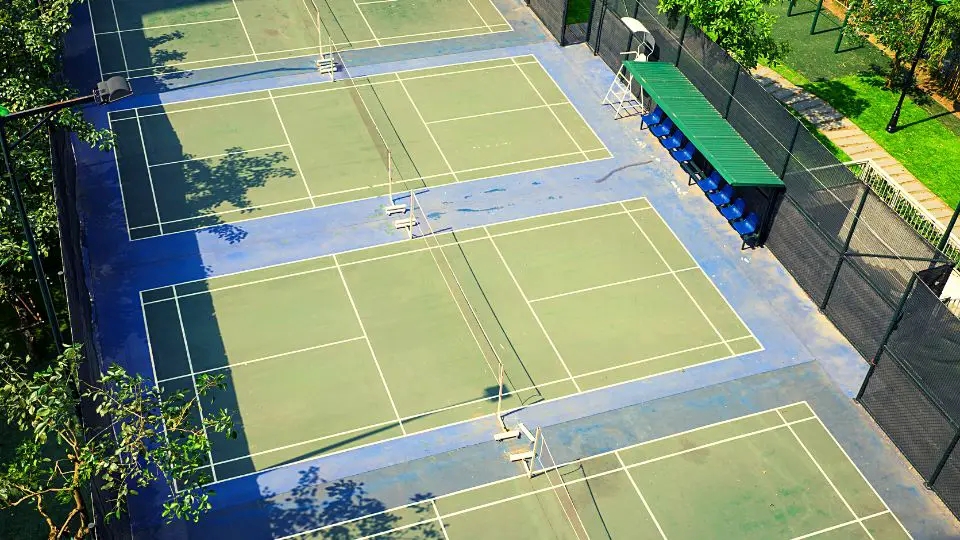
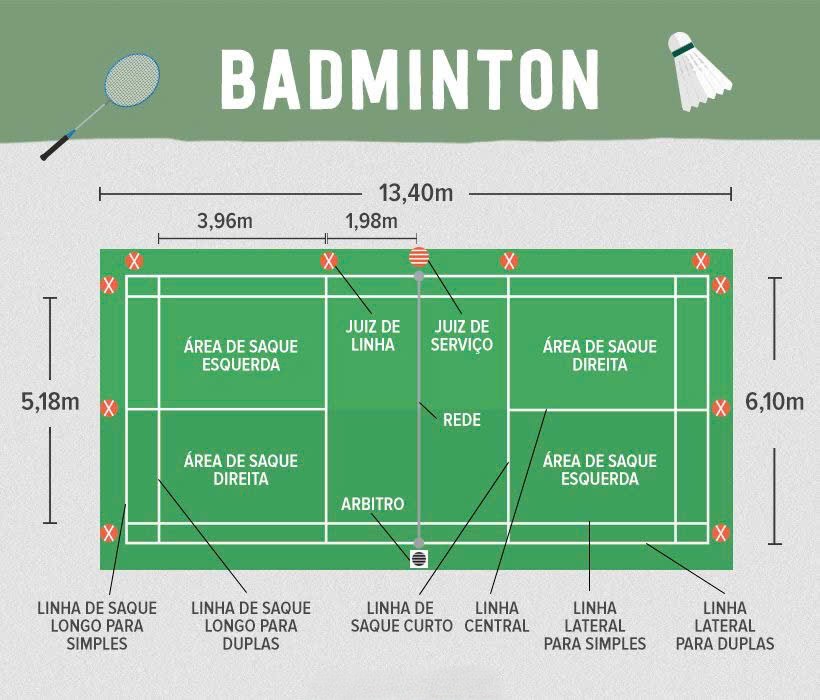
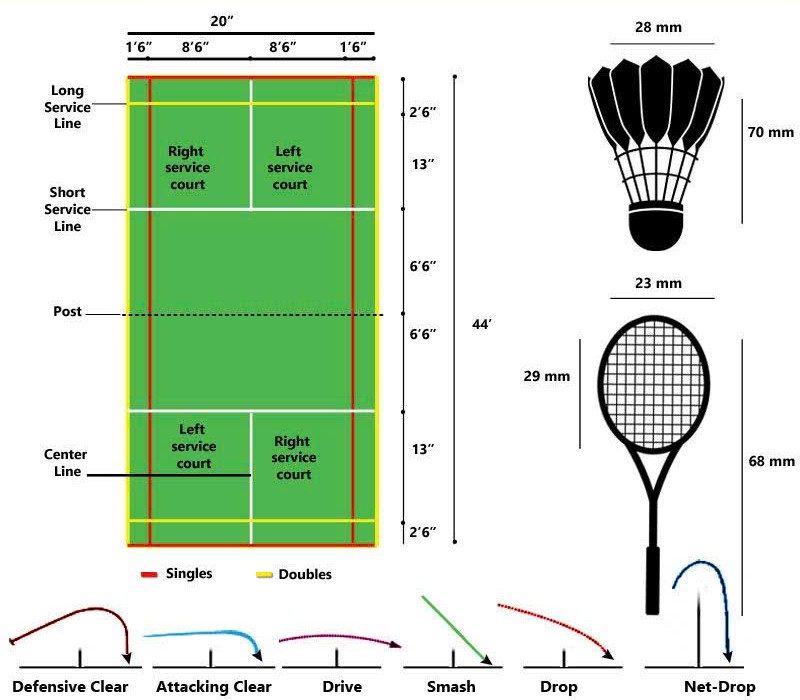
According to the regulations of the Badminton World Federation (BWF), a badminton court is rectangular in shape and divided into two main types: singles and doubles courts. Each type has specific dimensions and boundary markings designed to suit its style of play.
Singles Court:
Length: 13.4 meters
Width: 5.18 meters
Diagonal: approximately 14.3 meters
The inner side lines define the playing boundaries for singles matches.
Smaller court dimensions in singles play encourage greater focus on technique, reflexes, and precision in every shot.

Doubles Court:
Length: 13.4 meters (same as singles court)
Width: 6.1 meters
Diagonal: approximately 14.7 meters
The doubles court uses the outer boundary lines to increase the playing area, suitable for matches with two players on each side. Constructing a doubles court with a wider layout allows players to coordinate strategies, control positions, and move more flexibly during rallies.
Net Height:
At the center: 1.52 meters — ensuring the shuttle travels smoothly and consistently during serves and attacks.
At the sidelines: 1.55 meters — creating a natural curve in the net, following international standards.
The net is typically dark-colored (black or navy blue) for better visibility of the shuttlecock, with a 75mm white top band to secure the tension cord firmly in place.


In addition, the boundary lines of the badminton court are constructed with a standard width of 4cm, painted in white or bright yellow, standing out clearly against the green or blue surface. Every dimension and proportion is carefully measured to ensure fairness and balance for both training and competitive play.
1.2. Overall Structure of a Badminton Court
Main Court Area: This is the central space for play and training, where all rallies take place.
Surface Requirements: The court surface must be perfectly flat, non-slippery, and free of any bumps or irregularities. The flatness deviation must not exceed 1mm.
Grip and Elasticity: The surface should provide good traction for smooth movement while maintaining proper elasticity to minimize knee and ankle injuries.
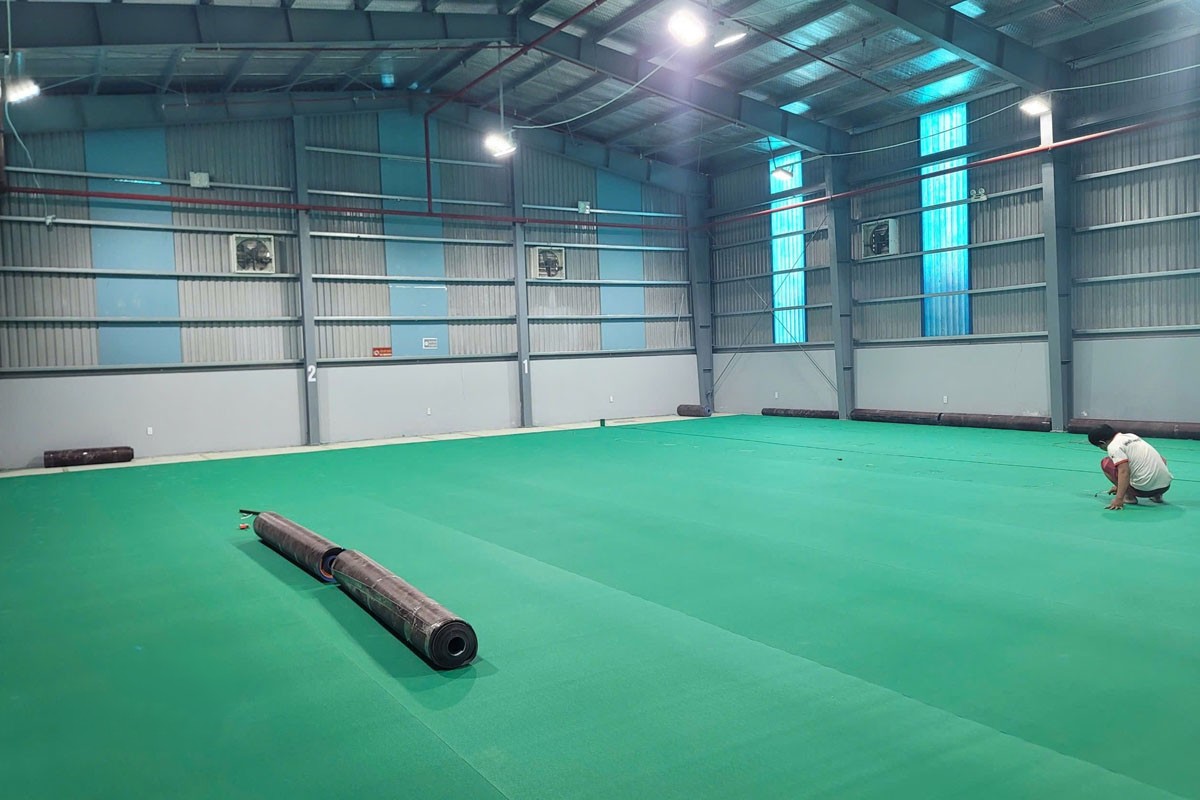
Construction Materials: Depending on the court type, materials may include Acrylic paint, Silicon PU, PVC flooring, or professional wooden surfaces.
Colors: Common colors are green, blue, or dark red, combined with white or yellow boundary lines for better visibility during play.

Perimeter Movement Area
The surrounding movement space plays an essential role in ensuring player safety during play.
Minimum Distance: During badminton court construction, a 1–2 meter clearance from the boundary lines must be maintained.
Purpose: Provides players with safe space to chase the shuttlecock without colliding with walls or obstacles.
Surface Material: Should be made from the same material as the main court or coated with an anti-slip layer to ensure consistency and safety.
Application: For indoor courts, this area can also be used for seating, coach zones, or nearby spectator areas.

Protective Fencing and Surrounding System
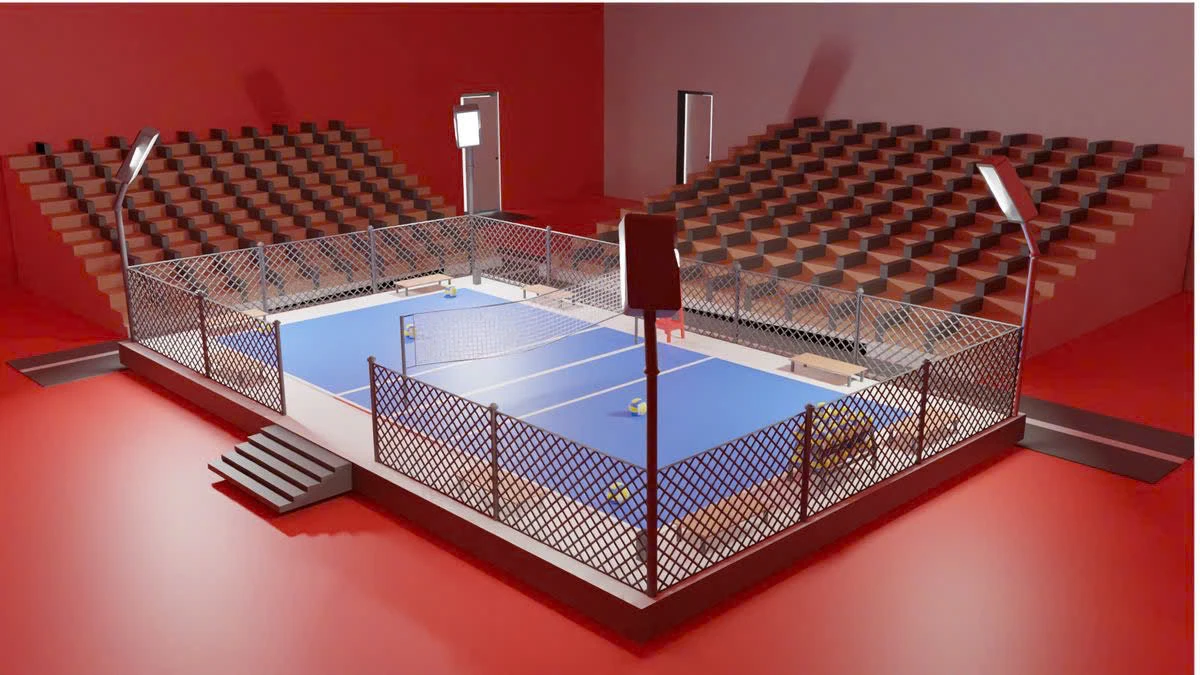
Purpose: Fencing is essential for most badminton courts, especially outdoor or multi-sport facilities. It prevents shuttlecocks from flying out, ensures safety for surrounding areas, and maintains match continuity.
Height: Typically ranges from 1.5m to 2m, using nylon mesh, plastic-coated steel wire, or HDPE netting.
Design: The fence must be sturdy, free of sharp edges, and easily removable or foldable for maintenance.
Aesthetics: The fencing color should harmonize with the court — usually green or black — for a clean, professional appearance.
Lighting System
Importance: Proper lighting is crucial for visibility and gameplay quality, especially for indoor or nighttime badminton courts.
Lighting Type: LED floodlights (400W or higher) with neutral white light (6000–6500K) provide bright, even illumination and reduce glare.
Arrangement: Lights are installed symmetrically on both sides at a height of 8–9m, ensuring even coverage without casting shadows on the court.
Illumination Standard: About 300–500 lux for training courts and 800–1000 lux for professional tournament courts.
Advantages of LED: Energy-efficient, long lifespan, low heat emission, and environmentally friendly — making it the preferred choice for badminton court construction.

Roofing System (For Indoor or Retractable Roof Courts)
Purpose: The roof protects both the court and players from weather conditions while extending the surface’s lifespan.
Height: During badminton court construction, the minimum roof height should be 5.5m from the floor to the lowest point. For international courts, it can reach 7–9m to ensure the shuttlecock does not hit the ceiling.
Materials: Common options include insulated metal sheets, PVC tensioned fabric, or arched steel frames.
Technical Requirements: The roof must provide good ventilation, an efficient drainage system, and high heat insulation to maintain indoor comfort.
Function: It helps maintain consistent playing conditions in all weather, keeps the court clean and dry, and enhances durability and aesthetic appeal over time.

1.3. Technical Specifications & Material Requirements
Surface Flatness Requirements
Maximum Deviation: During badminton court construction, the surface deviation must not exceed 1mm across the entire court.
Court Surface: Must be perfectly flat, without cracks, uneven areas, or subsidence, ensuring optimal stability and safety during play.
Pre-Construction Treatment: All surface defects should be ground and filled using epoxy resin or polymer cement mortar to enhance durability and adhesion.
Benefits: A perfectly level surface ensures stable shuttle flight, smooth player movement, minimizes bounce deviation, and reduces the risk of injury.

Badminton Court Slope Requirements
Standard Slope: The ideal slope ranges from 0.83% to 1% in accordance with international standards.
Purpose: Ensures efficient drainage, preventing water stagnation that could cause slipperiness or surface mold.
Slope Direction: During badminton court construction, the slope is designed from the center toward both sides or from one end toward the surrounding walkway.
Types:
Outdoor courts: Require precise slope calculations to achieve natural and effective water drainage.
Indoor courts: Have a smaller slope, sufficient to meet standards while maintaining stable shuttle flight.

Ground Material Requirements
| Type of Flooring Material | Characteristics & Applications | Advantages | Disadvantages |
|---|---|---|---|
| Cement Concrete | Suitable for both indoor and outdoor badminton courts. Provides high strength and stability when constructed properly. | Durable, easy to install, and low cost. | Low elasticity, requires additional coating or professional sports flooring. |
| PU (Polyurethane) Flooring | Highly elastic, non-slip, and shock-absorbing; ideal for indoor or multipurpose courts. | Long lifespan (10–15 years), easy maintenance, vibrant color options. | Moderate investment cost, requires skilled installation. |
| Acrylic Coating | Perfect for outdoor courts, resistant to harsh weather and UV rays; typically built in multiple layers. | Affordable, long-lasting color, easy to apply and maintain. | Less elastic compared to PU or PVC flooring. |
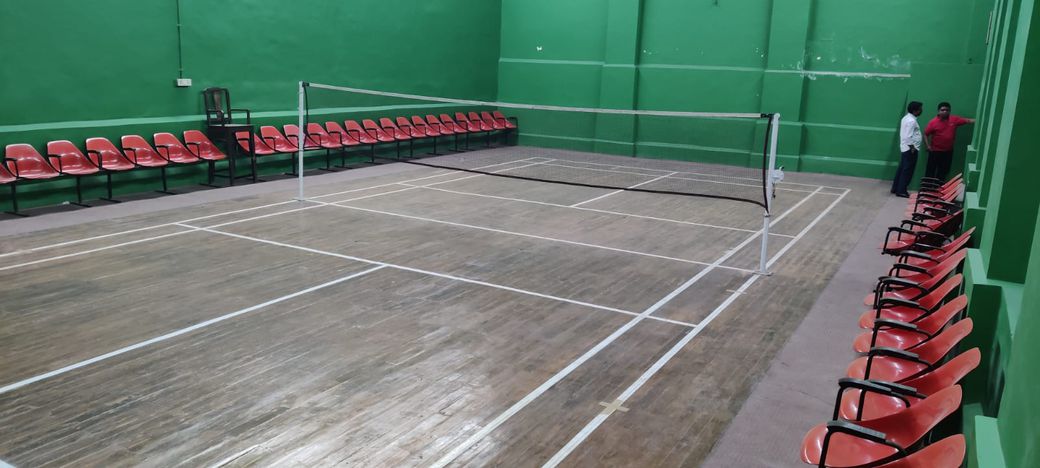
| PVC Sports Flooring | Common in professional indoor badminton halls; available in textured or smooth finishes. | Soft, non-slip, easy to install or replace. | Not suitable for outdoor use. |
| Wooden Sports Flooring | Used in premium gyms and training centers; treated with anti-slip and moisture-resistant coating. | Luxurious appearance, offers realistic feel and excellent play response. | High cost, unsuitable for outdoor environments. |


Standard Court Colors and Line Markings
Main Court Colors: Commonly green, blue, or dark red to create strong contrast with the white shuttlecock.
Court Lines:
Painted in white or bright yellow, 4 cm wide, using non-slip, fade-resistant sports paint that prevents glare under lighting.
All boundaries are measured and marked precisely according to BWF standards.
Surface Coating:
Designed with moderate friction to ensure smooth footwork without slipping.
The finish must remain flat, even, and color-stable, preventing peeling or fading over time.

Additional Technical Requirements
Surface Moisture: Must not exceed 10% before applying paint or installing flooring.
Drainage System: For outdoor courts, drainage channels should be installed around the perimeter to prevent water accumulation.
Ideal Construction Temperature: Between 25–35°C, ensuring maximum paint adhesion and material bonding.
Regular Maintenance:
Clean the court weekly using a soft broom or vacuum cleaner.
Inspect line markings and repaint or repair any faded or peeling areas every 6–12 months to maintain performance and aesthetics.

1.4. Common Types of Badminton Courts
| Type of Court | Construction Material | Features & Structure | Advantages | Disadvantages |
|---|---|---|---|---|
| Indoor Court | PVC Sports Flooring | Multi-layered structure (non-slip surface, elastic core, fiber reinforcement, and anti-abrasion coating). Commonly used in gyms, sports centers, schools, and high-end residential areas. | Excellent elasticity, joint protection, soft and safe surface, strong shoe grip even in humid conditions, available in various modern colors. Easy to install, remove, and relocate. | Higher cost than Acrylic or PU; requires professional installation to avoid peeling edges. |
| Wooden Sports Court | Hardwood such as oak, maple, or rubberwood, treated for moisture and deformation resistance. | Luxurious and professional appearance, natural feel, coated with anti-slip PU varnish, easy to clean, excellent shock absorption, lifespan up to 15–20 years. | Not suitable for outdoor use; high installation and maintenance costs. | |
| Outdoor Court | Acrylic Coating | Synthetic resin-based paint resistant to UV rays and abrasion. Consists of multiple layers: waterproof, elastic cushion, top coat, and line paint. Suitable for schools, residential areas, and industrial zones. | Hard, durable surface, waterproof, fast application, cost-effective, long-lasting color. | Less cushioning compared to PVC or PU; may cause fatigue during prolonged play. |
| Silicon PU (Polyurethane) Court | Premium hybrid material combining rubber elasticity and PU durability. Built with several layers: waterproof, elastic cushion, color coat, and final marking layer. | High elasticity and shock absorption, excellent traction, weather-resistant, lifespan 10–15 years, meets international BWF standards. | Moderate to high cost; requires skilled and precise installation. |


2. Standard Badminton Court Construction Process (2025)
Step 1: Surface Preparation
This is the most crucial stage, directly affecting the court’s durability and overall performance.
Surface Cleaning: Use a blower, industrial vacuum, or high-pressure water jet to completely remove dust, moss, and oil stains.
Surface Grinding: Employ industrial grinders to eliminate weak cement layers and create a slightly rough texture for better paint adhesion.
Crack Repair: Fill any cracks or holes with epoxy or specialized mortar, then grind again to ensure a smooth, even surface.
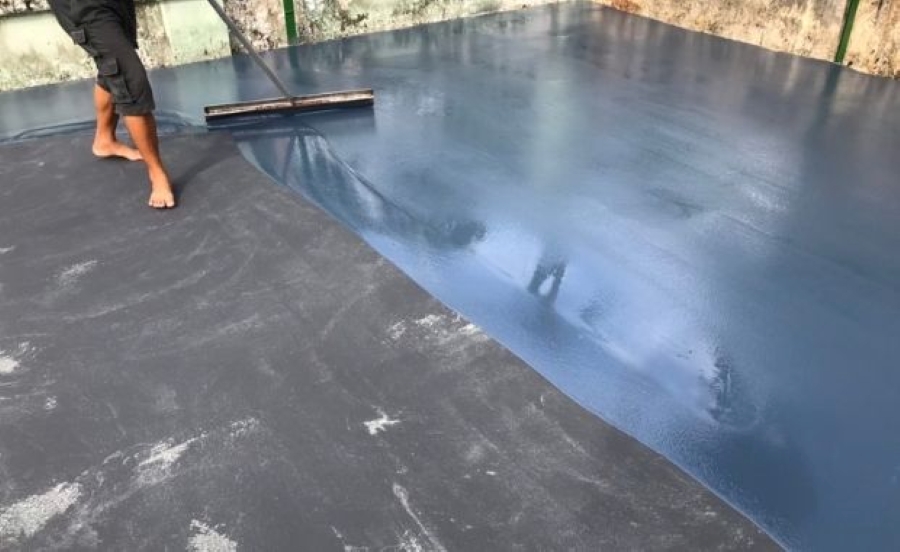
Waterproof Coating: For outdoor courts, apply a waterproof paint or sealant layer to prevent moisture penetration and extend the court’s lifespan.

✅ Technical Requirement: The surface must have a flatness tolerance of ≤ 1mm and moisture content below 10% before proceeding to the next step.
Step 2: Apply Waterproof Coating / Cushion Base Layer
After the surface has been properly treated, apply 1–2 layers of waterproof coating to protect the court foundation.
Function: Prevents moisture penetration, peeling, and cracking of the base layer.
Materials: Use epoxy, PU-based, or Acrylic-based coatings depending on whether the court is indoor or outdoor.
Application: Roll or spray evenly to ensure 100% coverage of the surface.
✅ Pro Tip: For outdoor courts, it is recommended to add an elastic underlayer (rubber or PU foam) to improve shock absorption and prevent base cracking.

Step 3: Apply Primer Layer – Enhance Adhesion
Purpose: The primer layer acts as a bonding bridge, increasing adhesion between the waterproof coating and the top color layer.
Materials: Use PU, Epoxy, or Acrylic primer, diluted according to standard ratios.
Application:
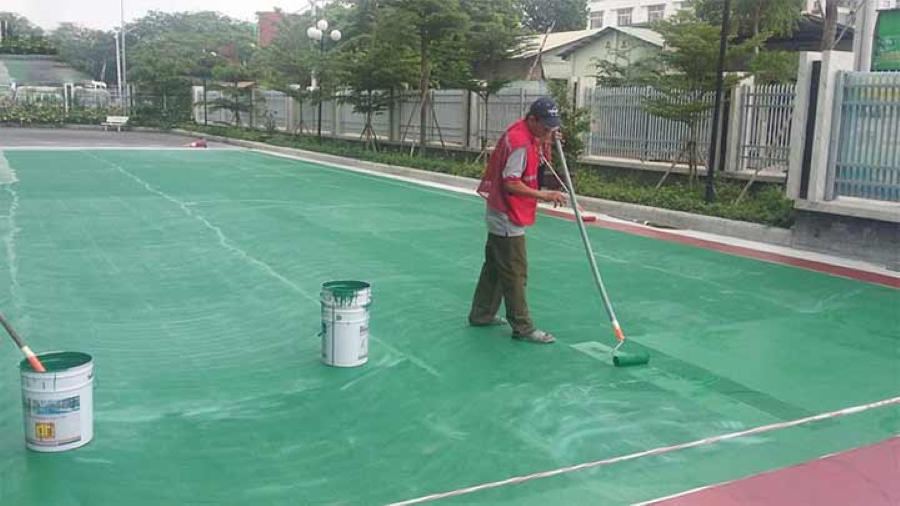
Roll evenly with a paint roller, avoiding paint buildup.
Allow the surface to dry completely before proceeding to the next step.
✅ Note: Apply under dry conditions with a temperature range of 25–35°C to ensure maximum bonding strength.

Step 4: Apply Elastic Cushion Layers (2–3 Layers)
This is one of the most crucial stages, ensuring the court achieves the right level of softness and elasticity according to international standards.
Function:
Provides a smooth, comfortable surface for movement and prevents slipping.
Reduces impact on the knees and ankles, minimizing injury risk.
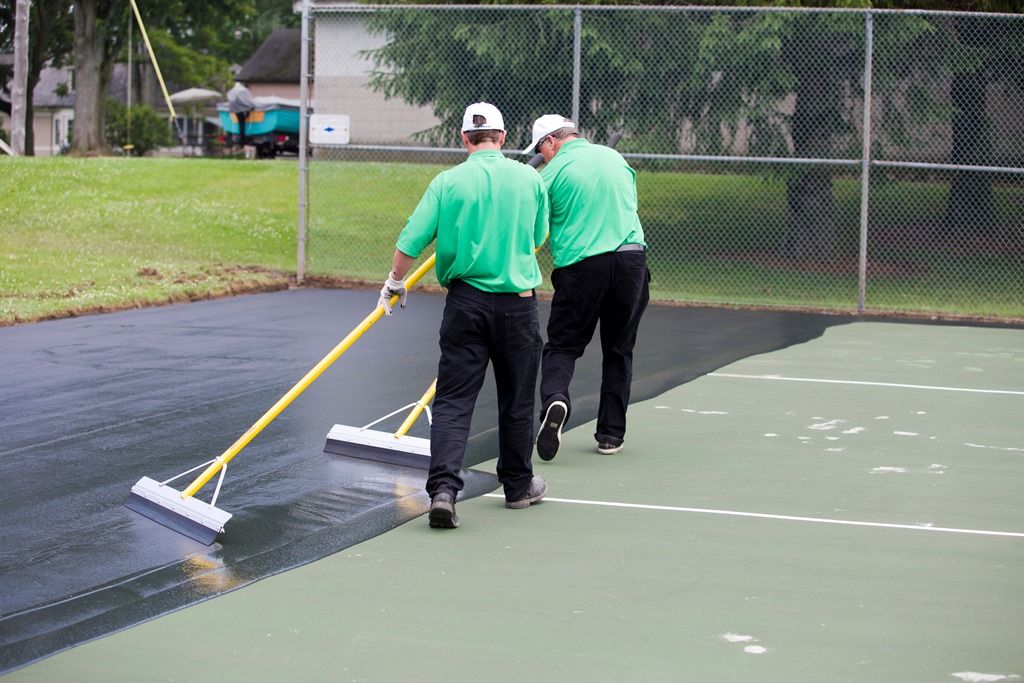
Layers: Apply 2–3 layers of black cushion or elastic PU compound, each layer leveled and smoothed after application.
Application Method: Use a trowel or specialized leveling machine to create an even, seamless surface without ripples.

✅ Requirement: After completion, check the surface using a straight edge to ensure there are no “low spots” or surface ripples.
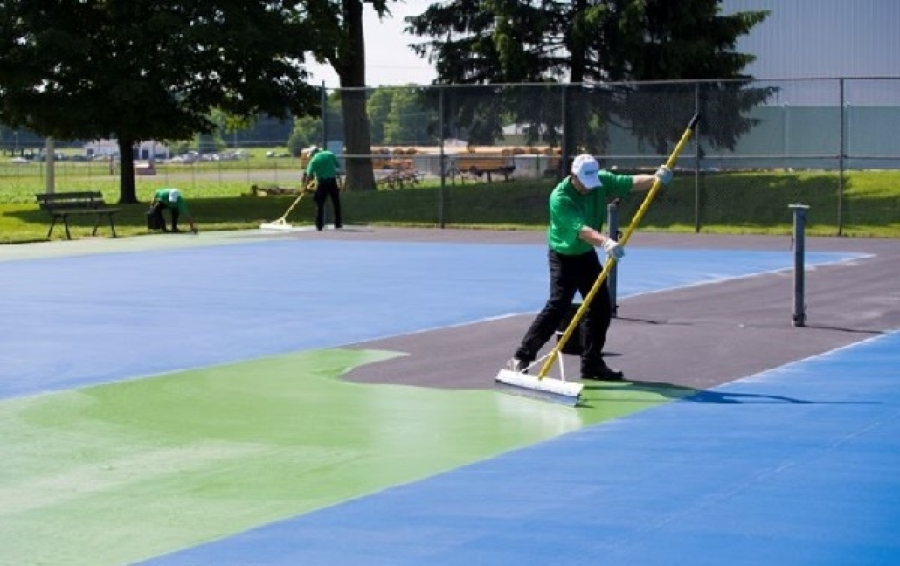
Step 5: Apply Top Color Coating
The topcoat layer not only enhances the court’s appearance but also determines its friction level, durability, and anti-slip performance.
Number of Layers: Apply 2–3 layers of professional sports coating (Acrylic, PU, or Epoxy).
Application Formula:
Mix with fine quartz sand to improve grip and surface strength.
Apply evenly using a roller or high-pressure spray gun for a smooth, uniform finish.
Color Options: Green, blue, or red — depending on design and purpose.
Drying Time: Allow 8–12 hours between coats for optimal bonding.
✅ Pro Tip: Avoid application when humidity exceeds 85% or under direct sunlight, as this can cause uneven color or patching.

Step 6: Court Line Marking – According to BWF Standards
Once the surface coating is completely dry, proceed to mark and paint the badminton court lines.
Line Color: Use white or bright yellow paint with a width of 4 cm, following the official Badminton World Federation (BWF) regulations.
Line Marking Technique:
Use masking tape to define the boundary lines precisely before painting.
Apply paint evenly and remove the tape while the paint is still slightly wet to ensure sharp, clean edges.
Accuracy Check:
Measure all court lines carefully using a steel ruler, especially the service and center lines, to confirm precise dimensions.

✅ Note: The line paint must be clear, non-reflective, and resistant to fading caused by cleaning or friction.
Step 7: Inspection, Cleaning & Handover of the Badminton Court
The final step involves a comprehensive quality inspection before handover.
Flatness Check: Ensure the surface deviation is ≤ 1mm — smooth, even, and non-slippery.
Color Adhesion Check: Verify that the paint is uniform, without peeling or discoloration.
Surface Cleaning: Use a soft cloth or industrial vacuum to remove paint dust and debris.
Court Handover: The construction team conducts a test run and acceptance inspection with the client to confirm all technical and aesthetic standards are met.
✅ Result: The completed badminton court offers high durability (10–15 years), uniform color, standard grip, and ensures safety, aesthetics, and optimal performance for training and competition.

3. Pricing & Cost of Badminton Court Construction (2025 Update)
3.1. Construction Cost for PVC Badminton Court Flooring
PVC badminton flooring is the most popular choice in sports centers, training facilities, and professional arenas thanks to its smooth surface, safety, and compliance with BWF (Badminton World Federation) standards.
| Category | Unit Price (VND) | Notes |
|---|---|---|
| PVC Sports Flooring | Contact for quotation | Depends on brand: Enlio, Sino Court, Vina Sport… |
| Installation Materials (adhesive tape, latex glue, heat welding wire…) | Contact for quotation | Use genuine materials to ensure strong adhesion and long-lasting durability |
| Labor & Installation | Contact for quotation | Includes transport, installation, and seam welding |
| Badminton Posts & Net Poles | Contact for quotation | Depends on material: steel or aluminum alloy |
| Total Turnkey Construction Cost | Contact for quotation | Includes labor, materials, and finishing |
✅ Advantages: Soft and non-slip surface, easy to clean, long lifespan (8–12 years).
⚙️ Ideal for: Indoor badminton courts, professional arenas, and training centers.

3.2. Construction Cost for Acrylic Badminton Court
Acrylic badminton courts are the top choice for outdoor installations due to their weather resistance, color durability, and cost efficiency. The acrylic coating creates a smooth, non-slip surface with excellent grip and can be completed within 3–5 days.
| Category | Unit Price (VND) | Notes |
|---|---|---|
| Acrylic Paint Materials | Contact for quotation | Includes primer, waterproof layer, color coating, line paint, and silica sand |
| Labor Cost | Contact for quotation | Covers all coating layers and line marking according to BWF standards |
| Total Turnkey Construction Cost | Contact for quotation | Depends on court size and existing surface condition |
✅ Advantages: Fast installation, low cost, easy maintenance, excellent weather resistance.
⚙️ Ideal for: Outdoor courts at schools, residential areas, resorts, and industrial zones.

3.3. Construction Cost for Silicon PU Badminton Court
Silicon PU (Polyurethane) badminton courts are a premium option that meet international BWF standards. They are widely used in large indoor arenas and high-end sports centers thanks to their exceptional durability, superior grip, and excellent shock absorption.
| Category | Unit Price (VND) | Notes |
|---|---|---|
| Silicon PU Materials (≥ 3mm thickness) | Contact for quotation | Includes crack repair compound, elastic cushion layer, color coating, and line marking |
| Labor Cost | Contact for quotation | Constructed following international standard procedures |
| Total Turnkey Construction Cost | Contact for quotation | Depends on court size and specific technical requirements |
✅ Advantages: High elasticity, superior shock absorption, non-slip surface, lifespan 10–15 years.
⚙️ Ideal for: Indoor badminton courts, premium sports complexes, and resort facilities.

3.4. Factors Affecting Badminton Court Construction Costs
The total construction cost may vary by 10–20% depending on technical specifications and on-site conditions. Key factors include:
Court Size:
Larger courts generally have a lower cost per square meter due to savings in materials and labor.
Smaller or mini courts often have higher average construction costs.
Type of Material Used:
High-quality materials such as premium PVC flooring and Silicon PU are more expensive because of their superior elasticity and durability.
Acrylic paint systems are a more economical solution, ideal for outdoor badminton courts.
Location & Site Conditions:
Projects in remote areas or complex terrain may incur additional costs for material transport and labor accommodation.
Indoor courts require advanced surface preparation and moisture-proof treatment, slightly increasing overall costs.

Aesthetic and Technical Standards:
Professional badminton courts with roofing, lighting systems, and protective fencing typically increase total project costs by 10–20%.
The use of custom or dual-tone color schemes can also raise material expenses.
Warranty and Maintenance Services:
Reputable badminton court contractors usually provide a comprehensive warranty policy along with periodic maintenance services to preserve the court’s surface quality, grip, and durability over time.

4. Trusted Badminton Court Construction Contractors
4.1. Criteria for Choosing a Professional Badminton Court Builder
To ensure your badminton court meets international standards and maintains long-term stability, it’s essential to select a contractor that meets the following criteria:
Experience and Proven Capability:
A contractor with years of experience in badminton court construction will fully understand all technical requirements and performance standards.
They should provide a portfolio of completed projects to verify their workmanship and credibility.
Use of International-Standard Materials:
Materials are the core factor determining the court’s durability, elasticity, and player safety.
Contractors should use BWF-certified materials such as PVC mats (Enlio, Sino Court), Silicon PU, or premium Acrylic coatings — all tested for colorfastness, quality, and environmental safety.

Skilled Technical Team:
A reliable badminton court contractor should have a team of qualified engineers and experienced technicians trained in every construction stage — from surface preparation, coating, and line marking to final inspection according to international standards.
They must ensure fast, accurate, and on-schedule execution, minimizing any additional costs.
Warranty and After-Sales Support:
Reputable contractors provide clear warranty policies covering the court surface, materials, and line markings.
They also offer regular maintenance services and free technical consultations, ensuring the badminton court remains durable, safe, and competition-ready for many years.
4.2. Quinn Golf Co., Ltd – Vietnam’s Leading Badminton Court Construction Contractor
With over 15 years of experience in manufacturing and constructing sports nets and facilities, Quinn Golf Co., Ltd takes pride in being a trusted and professional badminton court contractor nationwide.
The company is not only recognized as a supplier of international-standard sports materials but also as a comprehensive turnkey contractor — offering full services from design, technical consultation, and construction to handover and long-term warranty.


Closed Construction Process – Maximizing Investment Efficiency:
From site inspection and detailed design to construction and final acceptance, Quinn Golf ensures every stage is carried out with precision, on schedule, and within the committed budget.
High-Quality Imported Materials:
All materials used in badminton court construction — including PVC mats, Acrylic coatings, Silicon PU surfaces, lighting systems, and protective nets — are genuine imported products with certified durability, safety, and anti-slip performance.
Professional Technical Team:
Quinn Golf’s experienced and well-trained technicians follow international standards, capable of constructing all types of courts, from home practice setups to professional indoor and outdoor competition venues.
Hundreds of Completed Projects Nationwide:
To date, Quinn Golf has successfully delivered hundreds of badminton, football, tennis, and pickleball courts across major cities such as Ho Chi Minh City, Hanoi, Da Nang, Binh Duong, and Can Tho, as well as industrial zones throughout Vietnam.
Every project is highly rated for quality, durability, and dedicated after-sales service.

👉 Why Choose Quinn Golf for Your Badminton Court Construction Project:
Turnkey Construction from A–Z – saving both cost and time.
Commitment to Genuine Materials, Transparent Pricing & Clear Warranty.
Guaranteed BWF-Standard Court Quality for professional performance.
Free Consultation, On-Site Survey & Design Support before construction.
📞 CONTACT US TODAY!
Head Office: 330A Ung Văn Khiêm, Thạnh Mỹ Tây, Ho Chi Minh City
Branch: No. 80, An Thọ 1, An Khánh, Hanoi
Hotline for Quotes: 0888.509.626
Zalo OA: https://zalo.me/1667198158936605064
Fanpage: QUINN GOLF
Email: kinhdoanh.luoicongtrinh@gmail.com
Quinn Golf Co., Ltd – Badminton Court Construction – Your Trusted Partner for Comprehensive, International-Standard Solutions!
Xem thêm
Rút gọn
Giao hàng nhanh chóng
Giao hàng trong vòng 24 giờ
Sản phẩm chính hãng
Sản phẩm nhập khẩu 100%
Mua hàng tiết kiệm
Rẻ hơn từ 10% - 30%
Hotline mua hàng
0888.439.626


.png)


.png)